🚧 This website is currently in beta. Things might change or break.
All Case Studies

How much are WWII German Army helmets worth?

Figuring out the value of standard WWII Heer (army) single decal combat helmets

by Keenan Nilson

Overview

Market Overview

Background: Single-Decal Heer Combat Helmets (Standard Configuration)

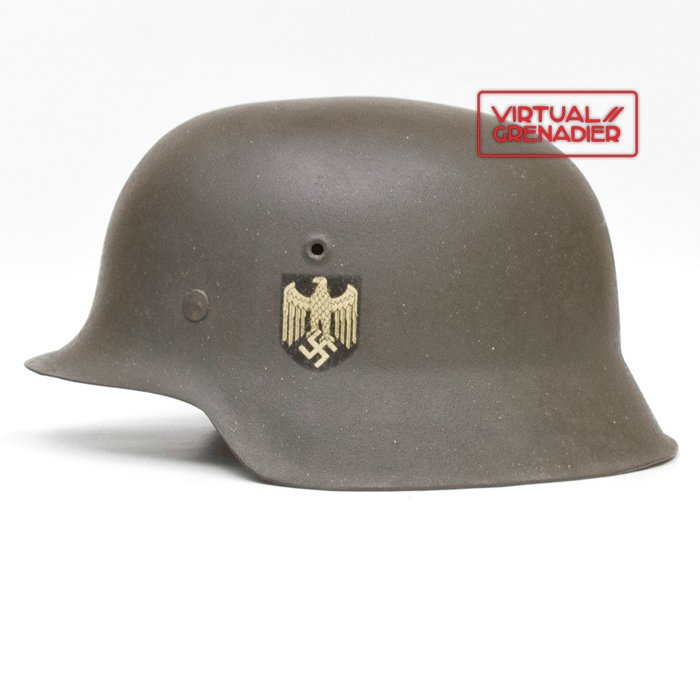
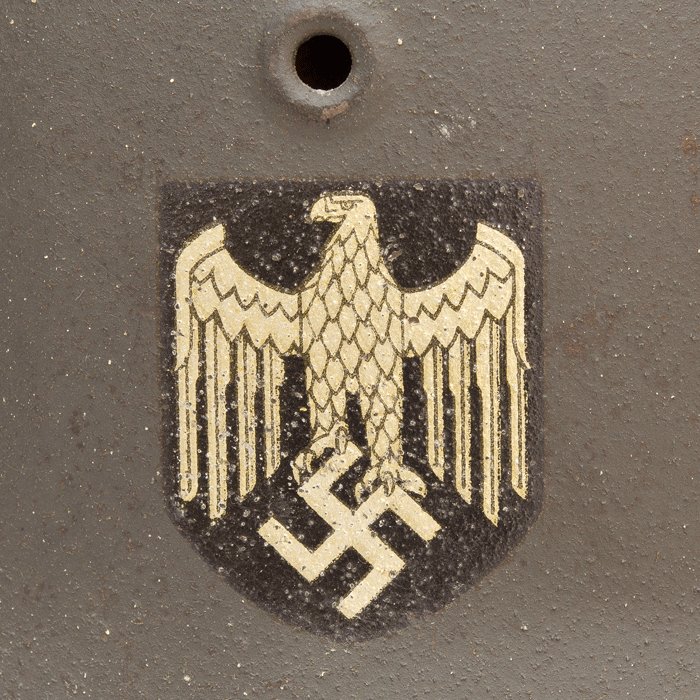
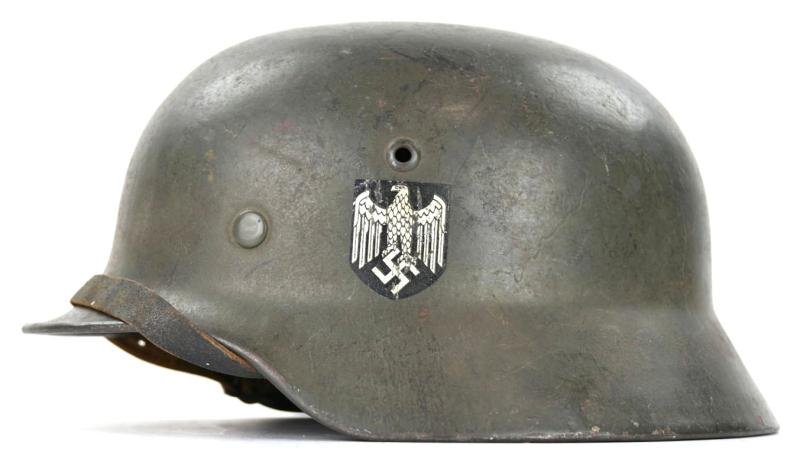
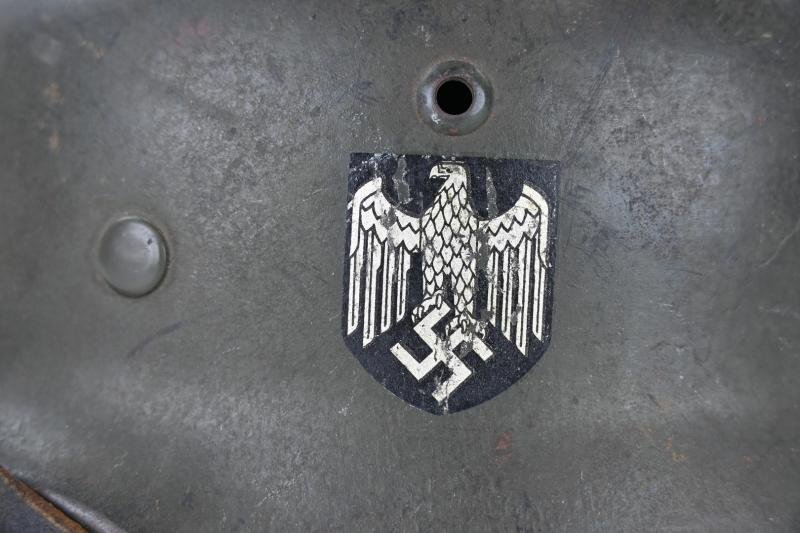
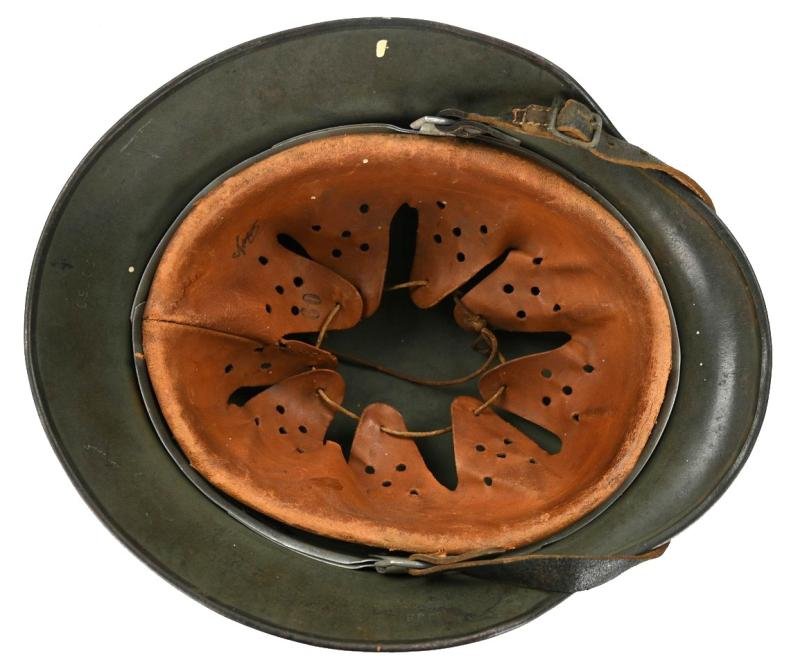
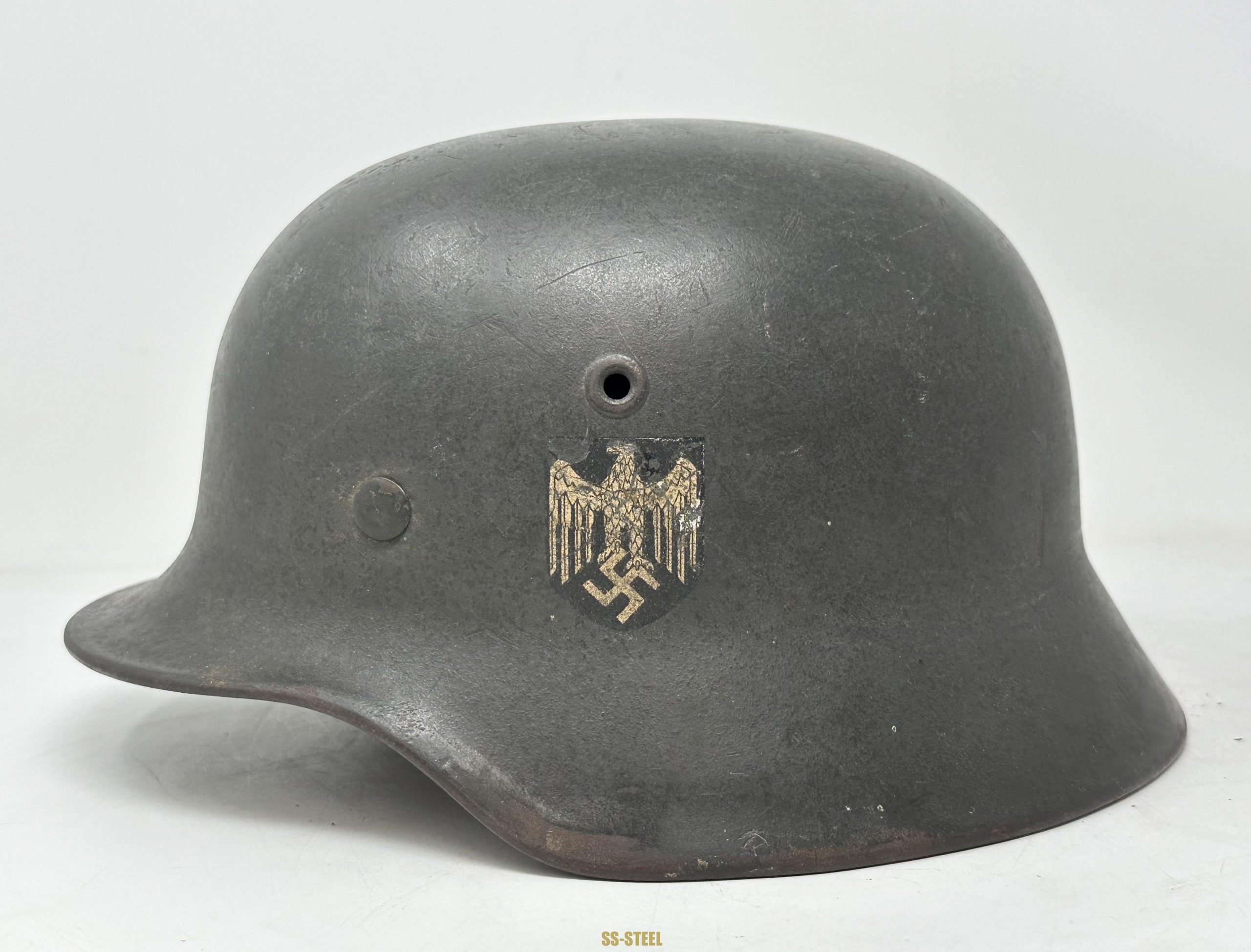
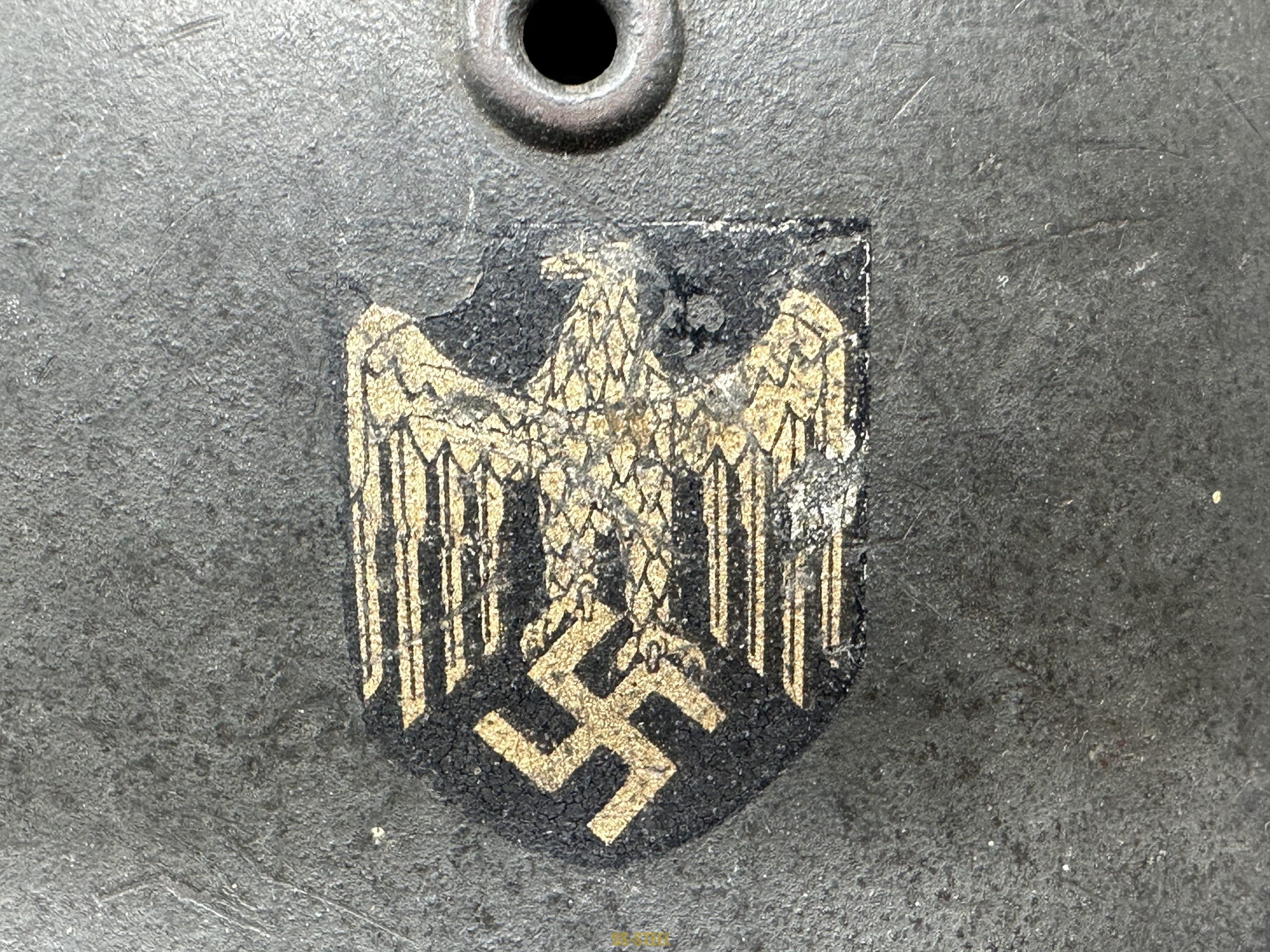
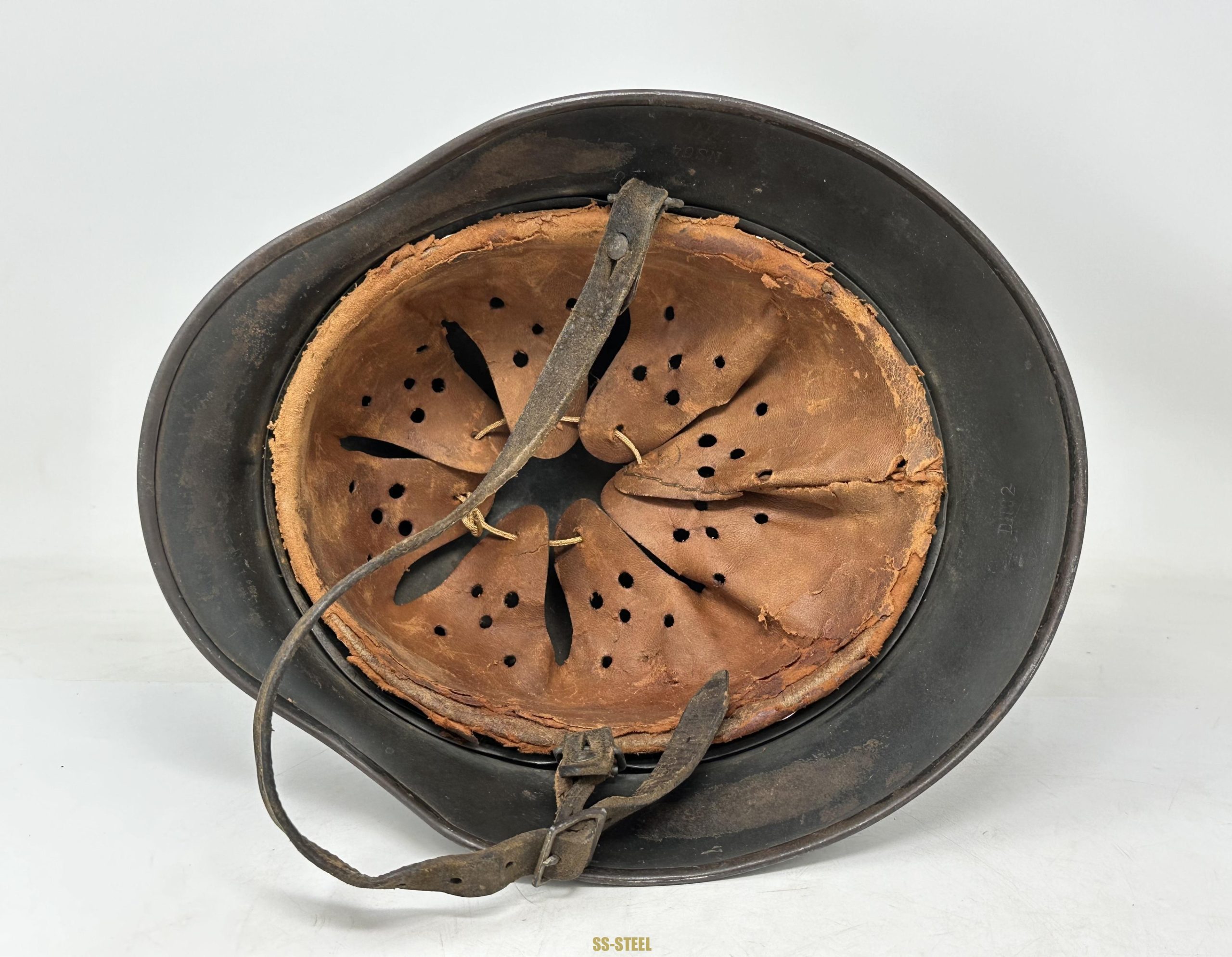
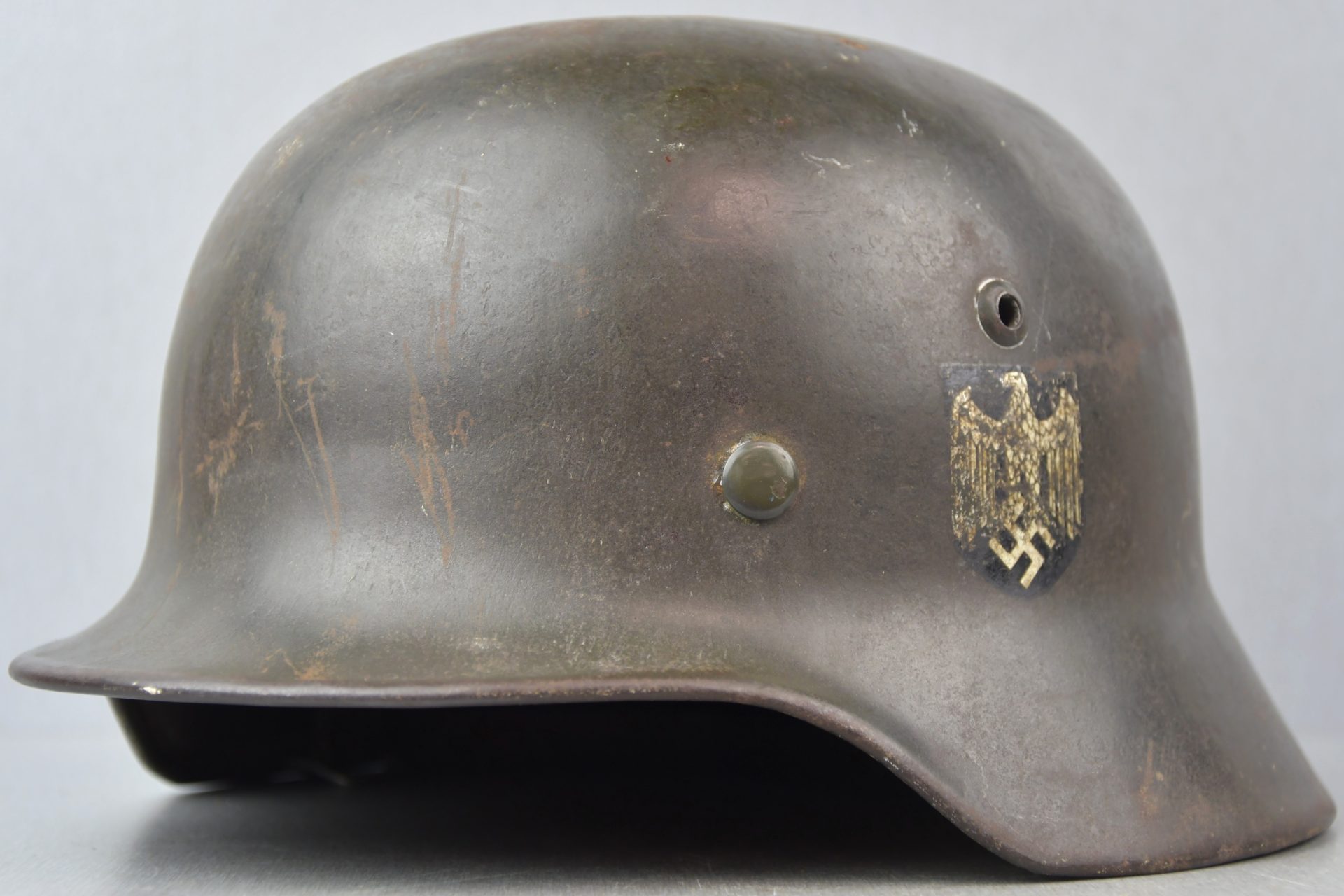
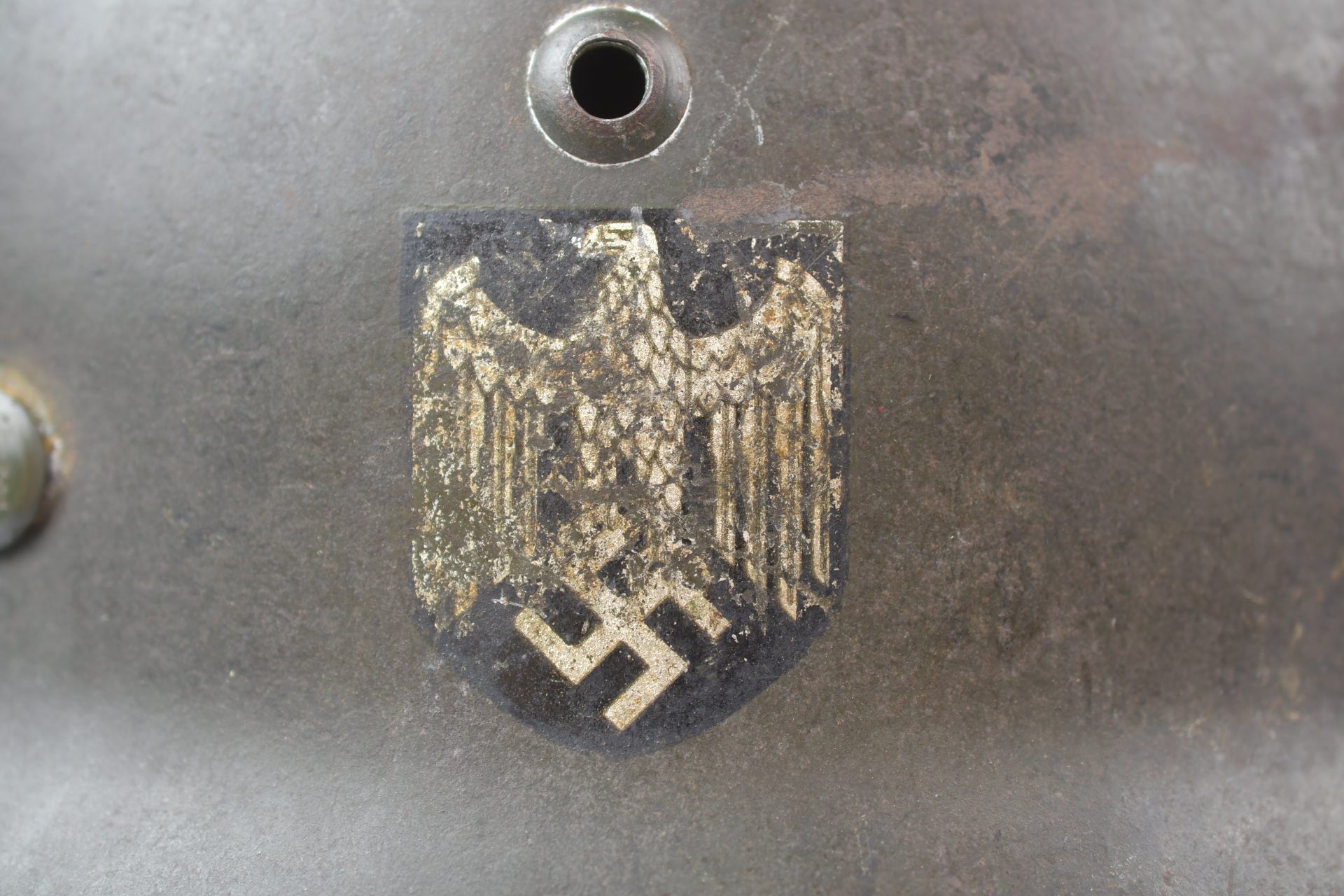
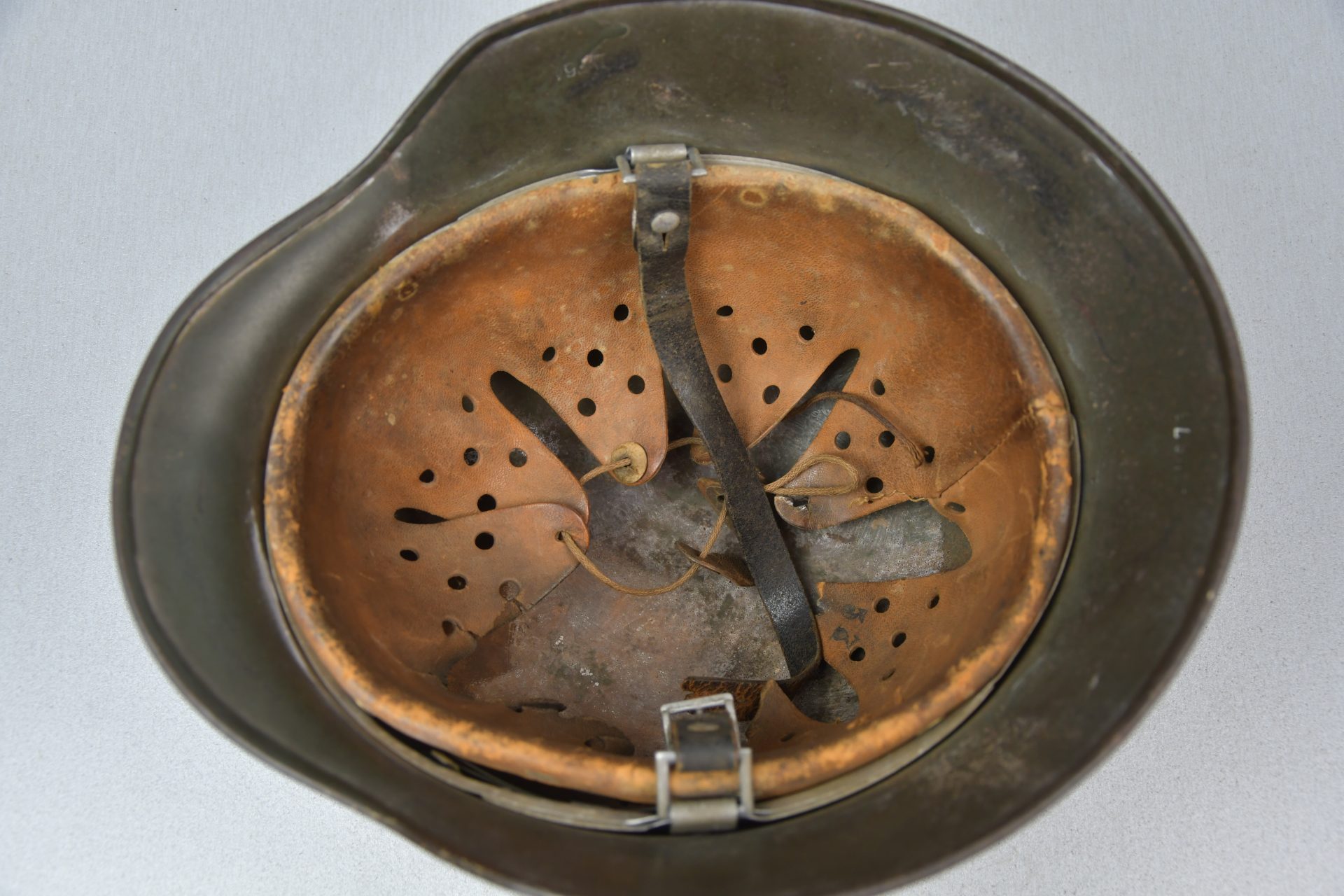
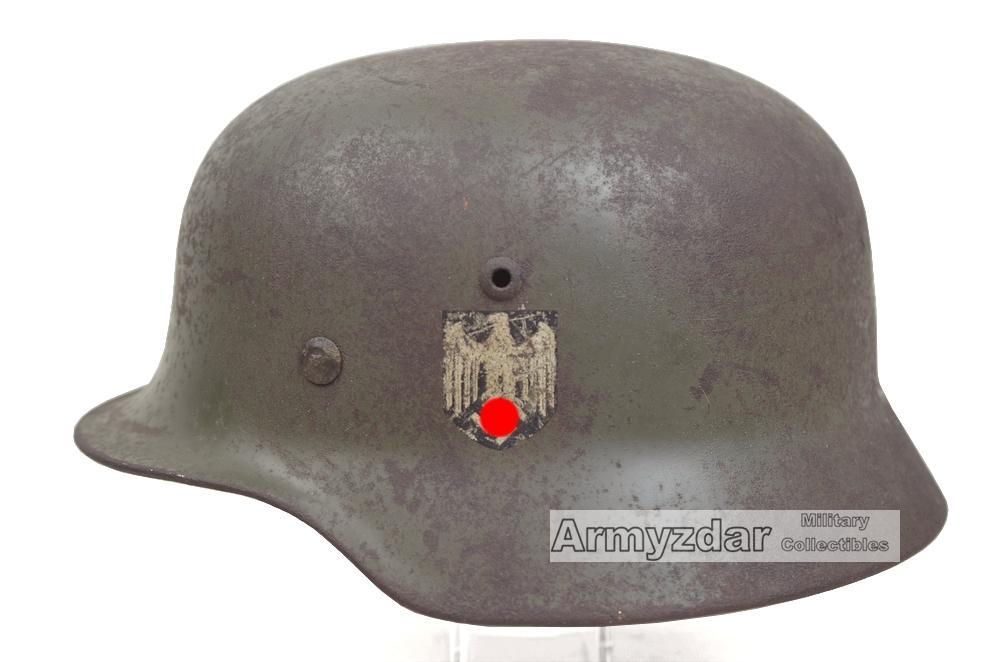
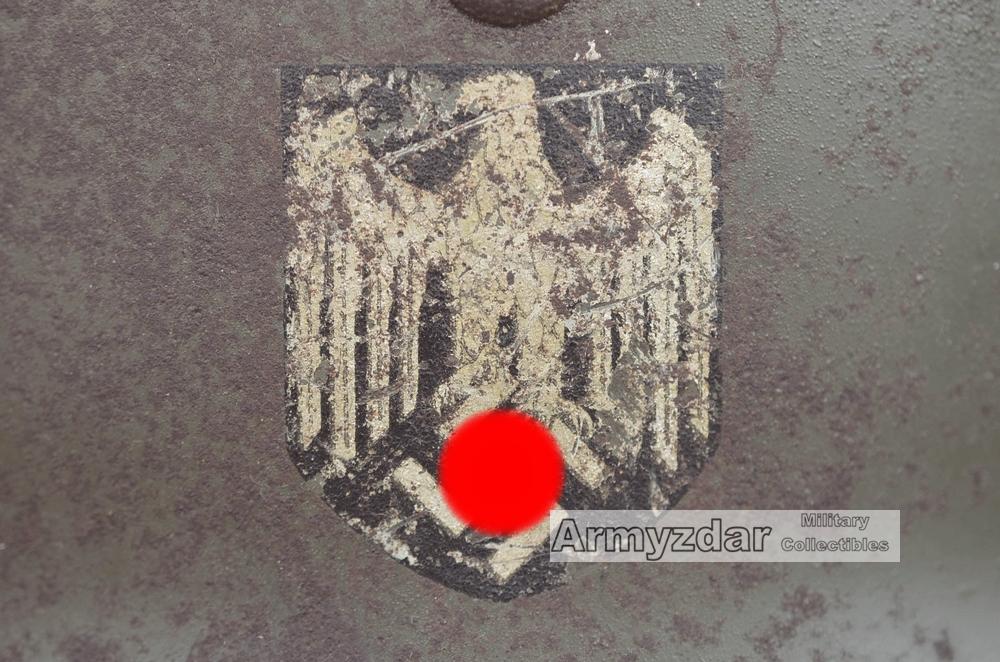
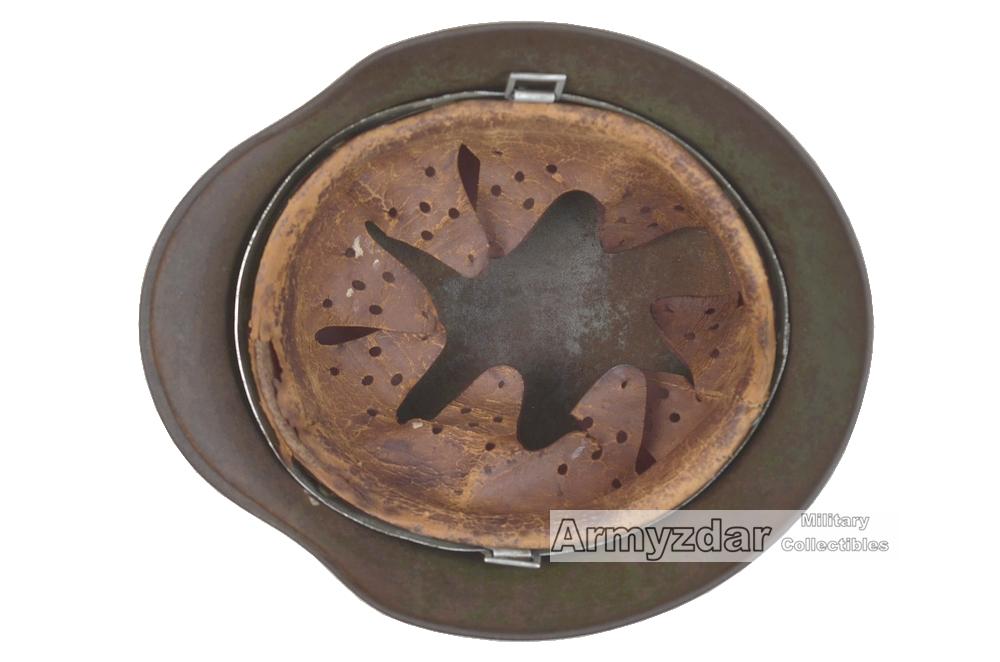
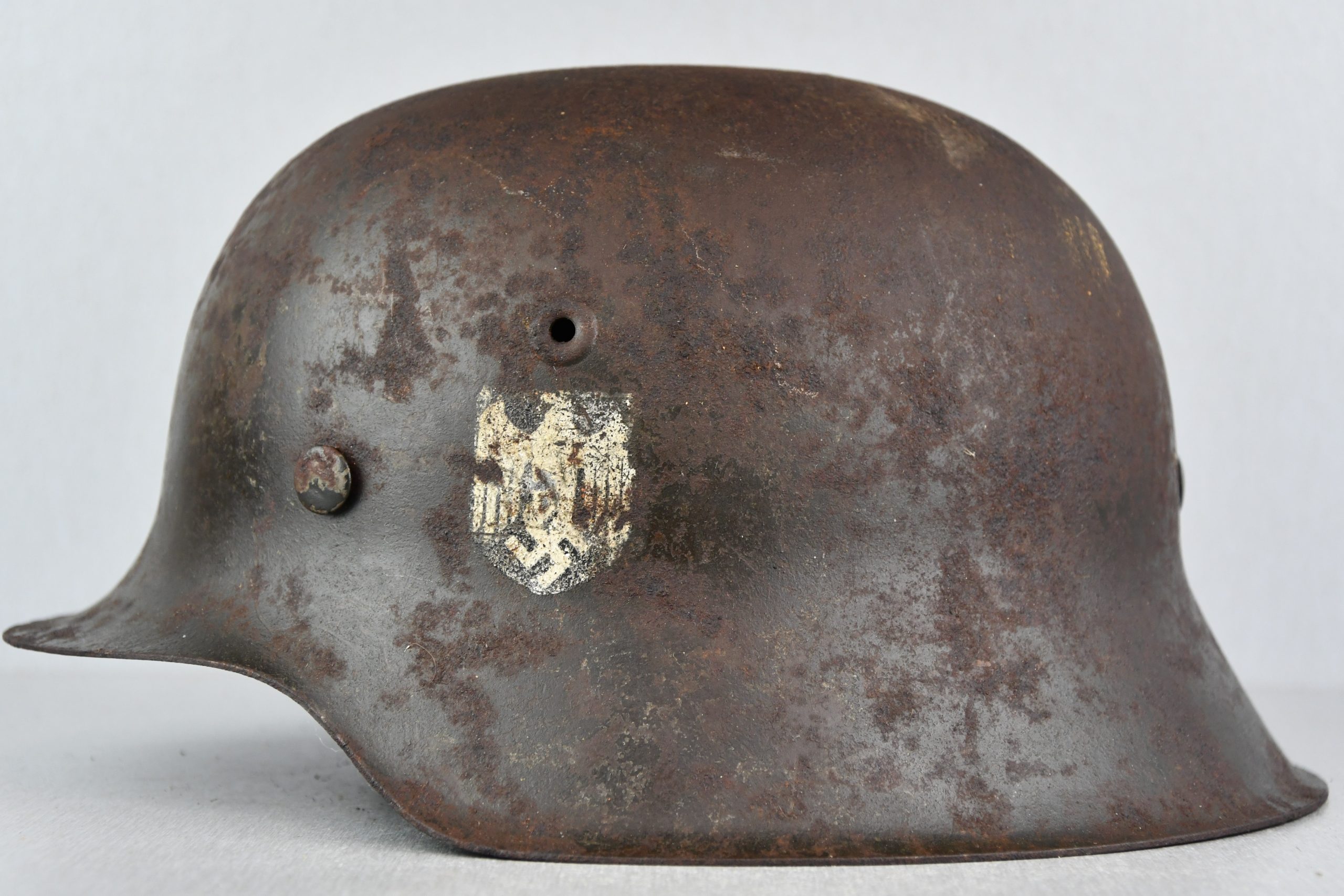
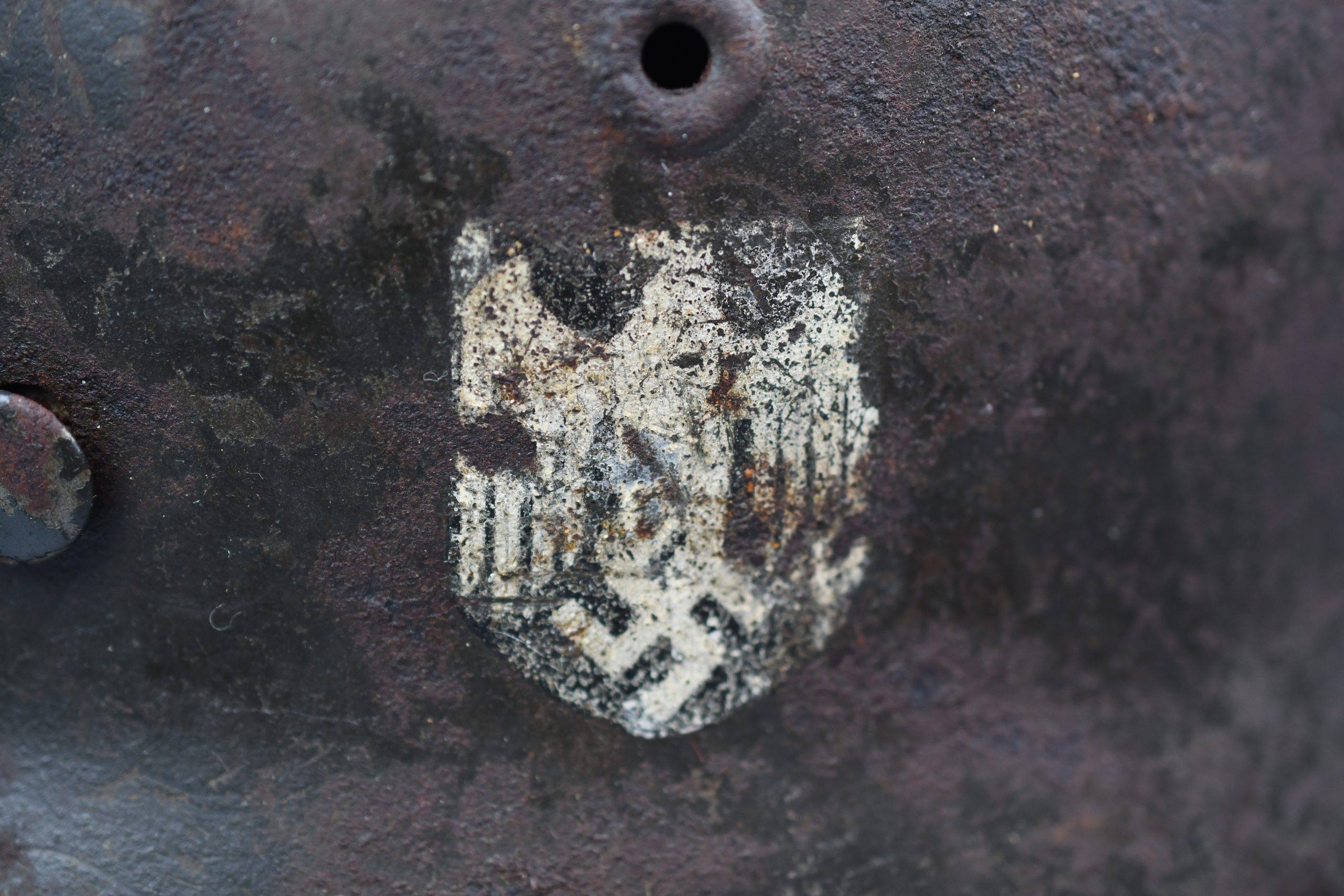
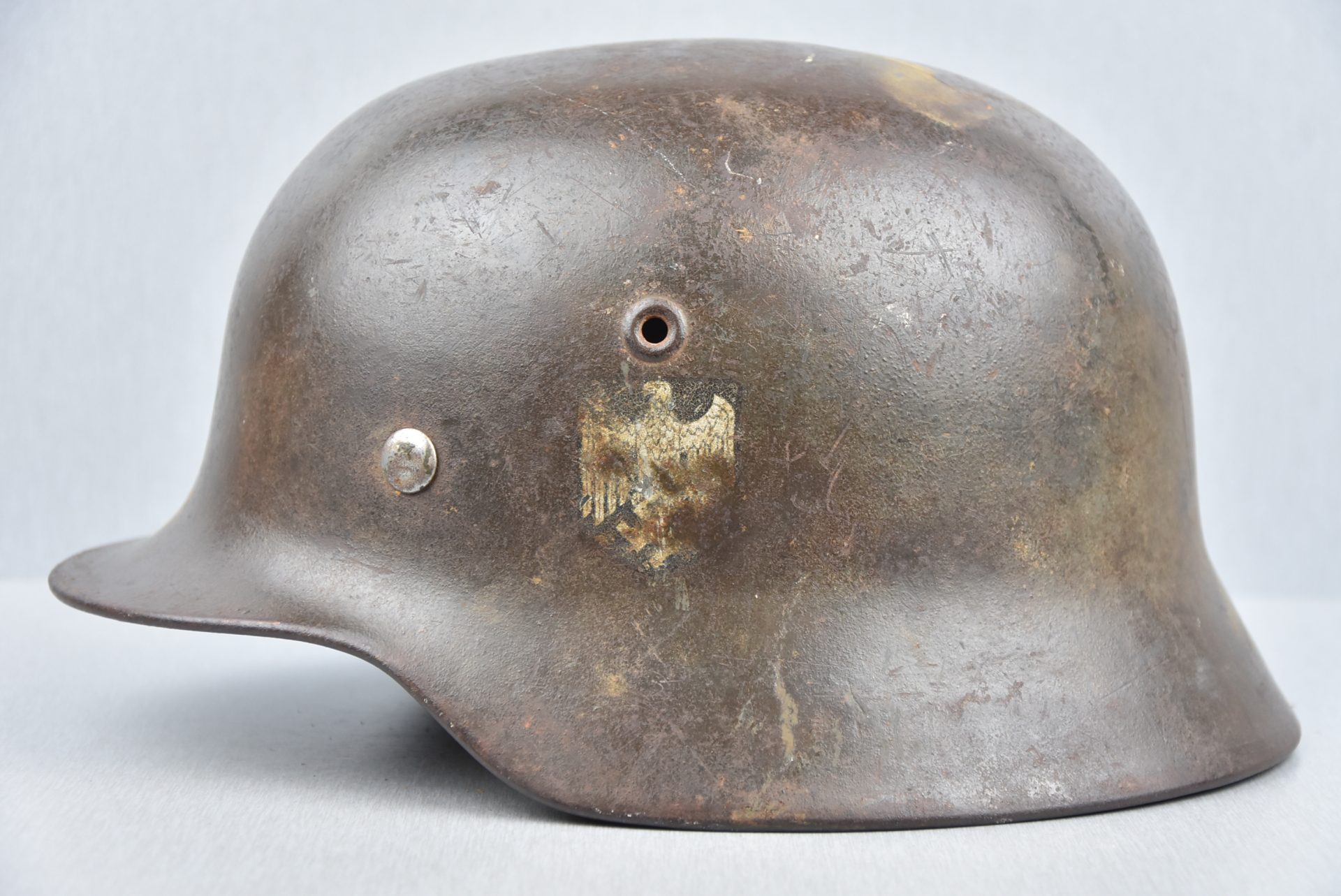
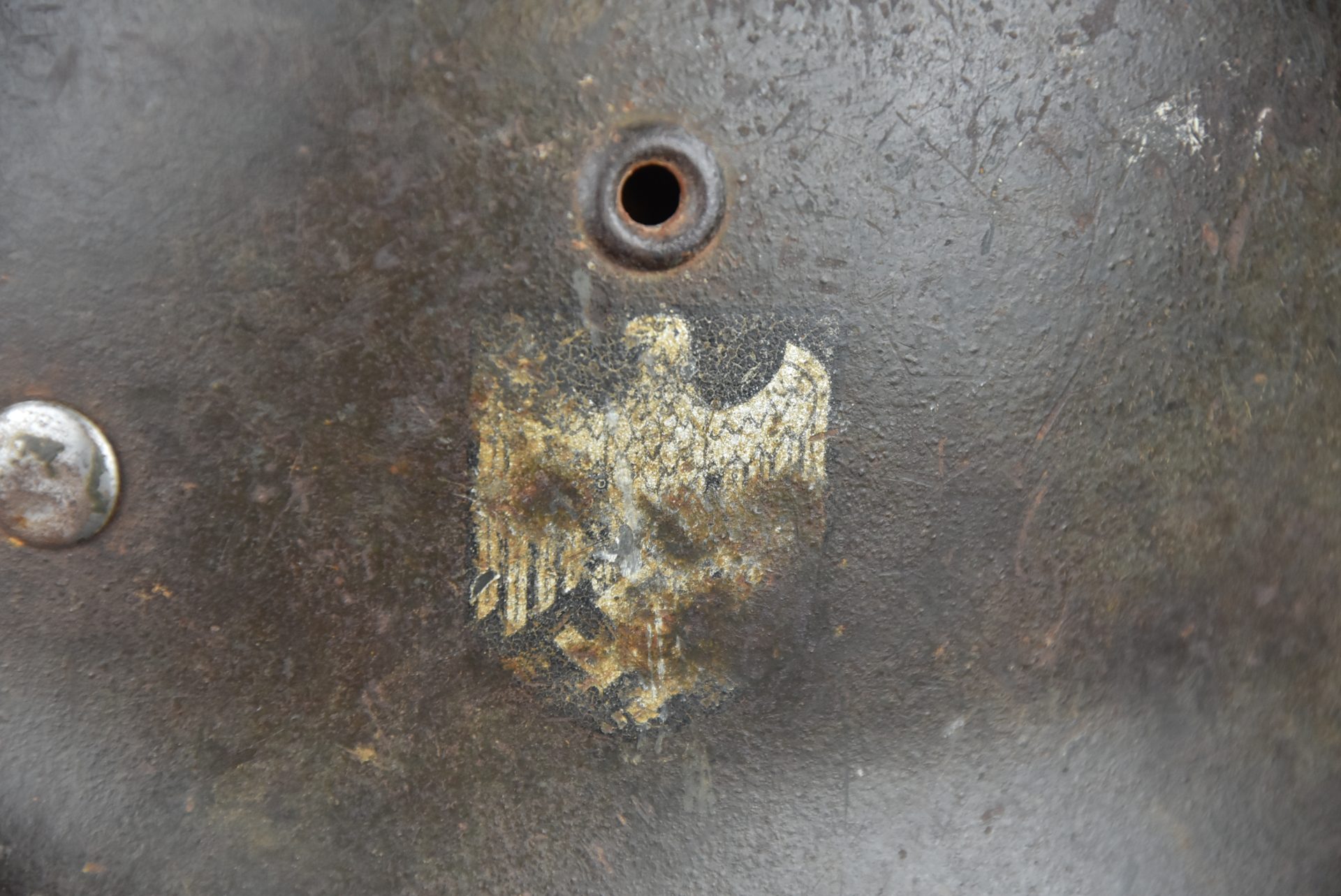
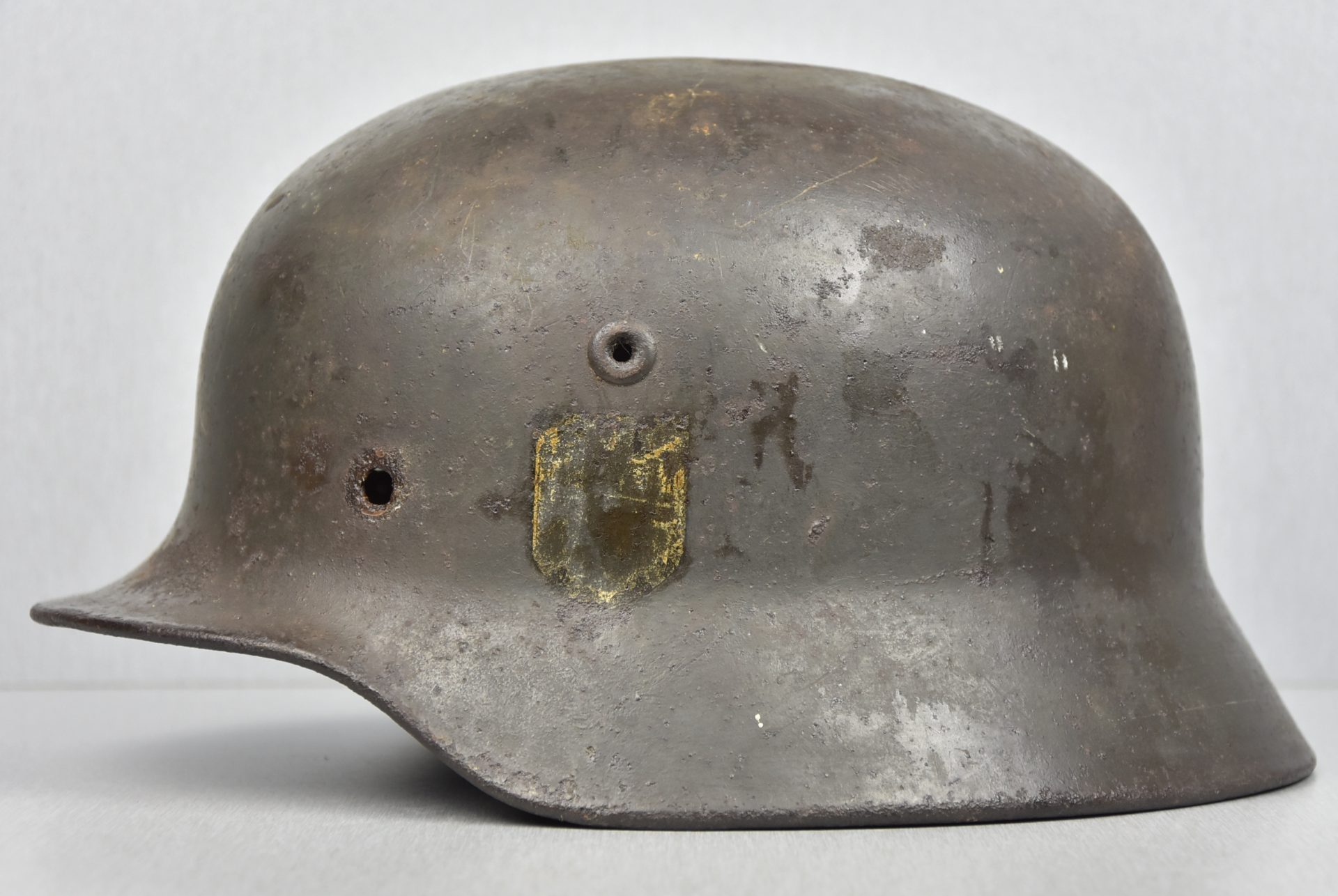
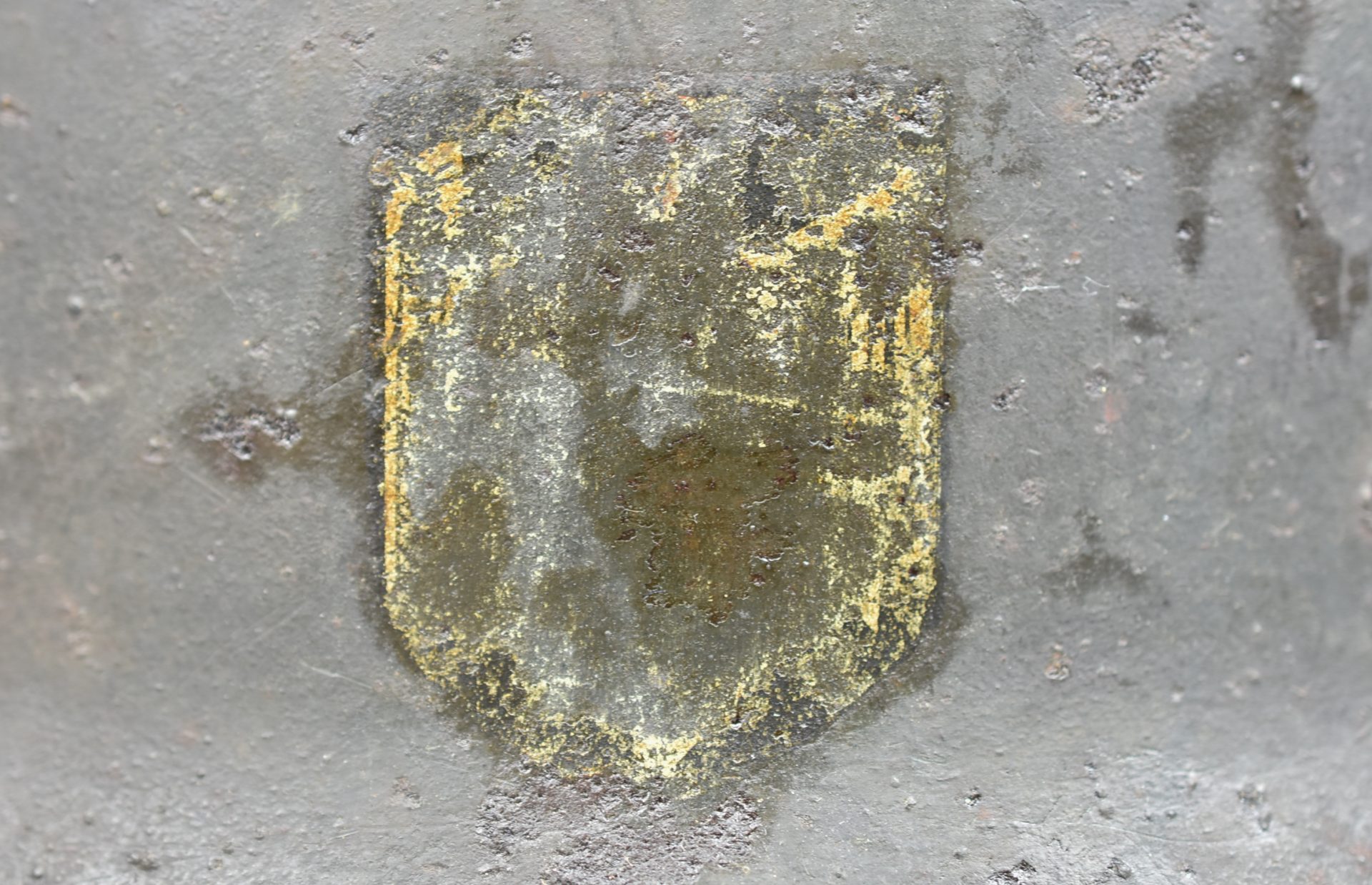
This case study focuses on standard World War II Heer single decal combat helmets — factory-applied army eagle on one side, field-applied combat finish, and no camouflage, covers, or added features. The goal here is to isolate the “typical” Heer helmet that most collectors actually come across. A few things need to be acknowledged before getting into the data:

Different helmet models do carry different values, but that’s outside the scope of this case study.

Reissued helmets, crooked decals, ex-double decal examples, etc. all come with their own nuances, but those are also outside the scope here.

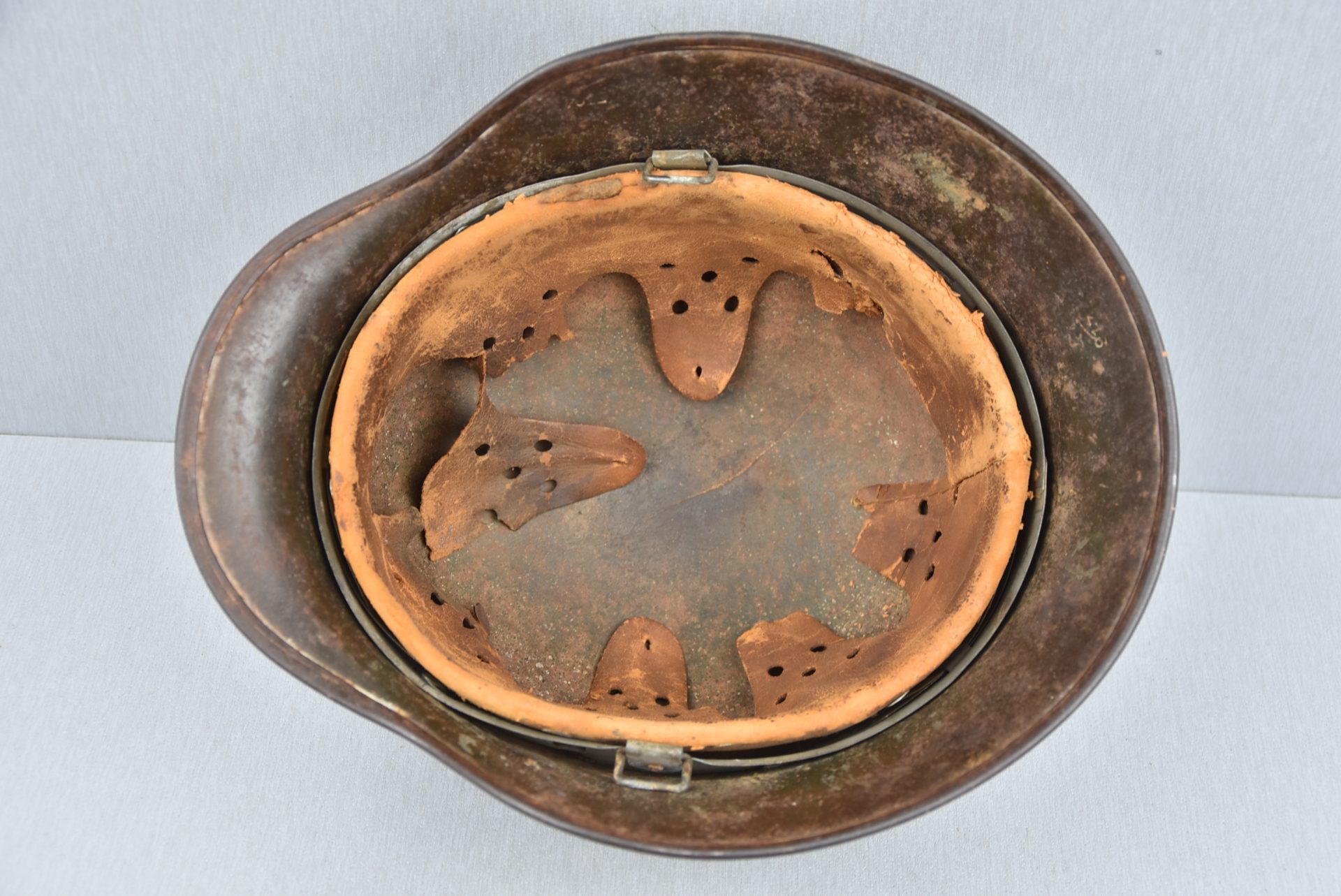
The condition ratings might seem a bit subjective at first, but I made a real effort to keep things consistent. Instead of grading based on what “looks nice,” everything is anchored to a simple idea: 10 = as close as possible to how it would have looked coming out of the factory 1 = as far removed as possible from an authentic wartime-used example

From Background to Market Analysis

This analysis looks strictly at baseline Heer single decal helmets — no camouflage, no reissues, no double decal history, and no obvious postwar alterations. Within that lane, the market is broken down by condition tiers and compared across two main things:

Dealer asking prices — what these helmets are actually listed for

Private party value — what they’re more realistically worth outside of dealer retail, based on my own pricing model

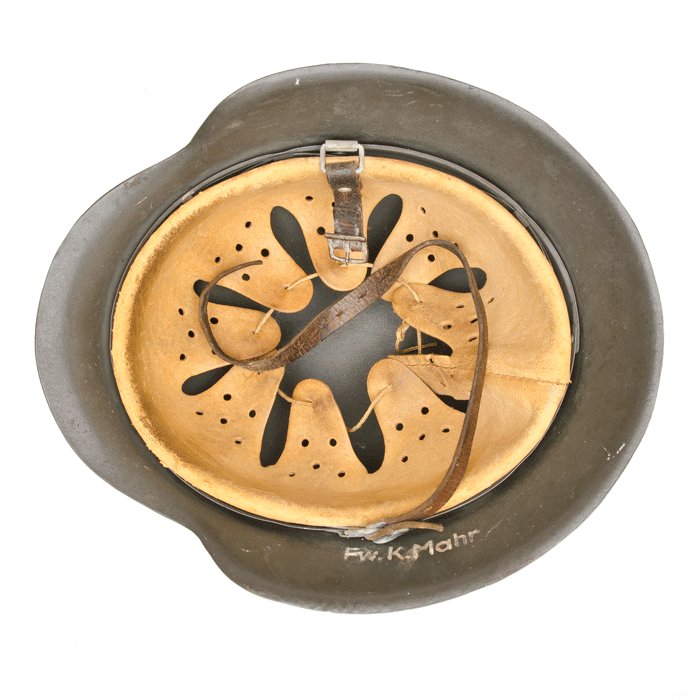
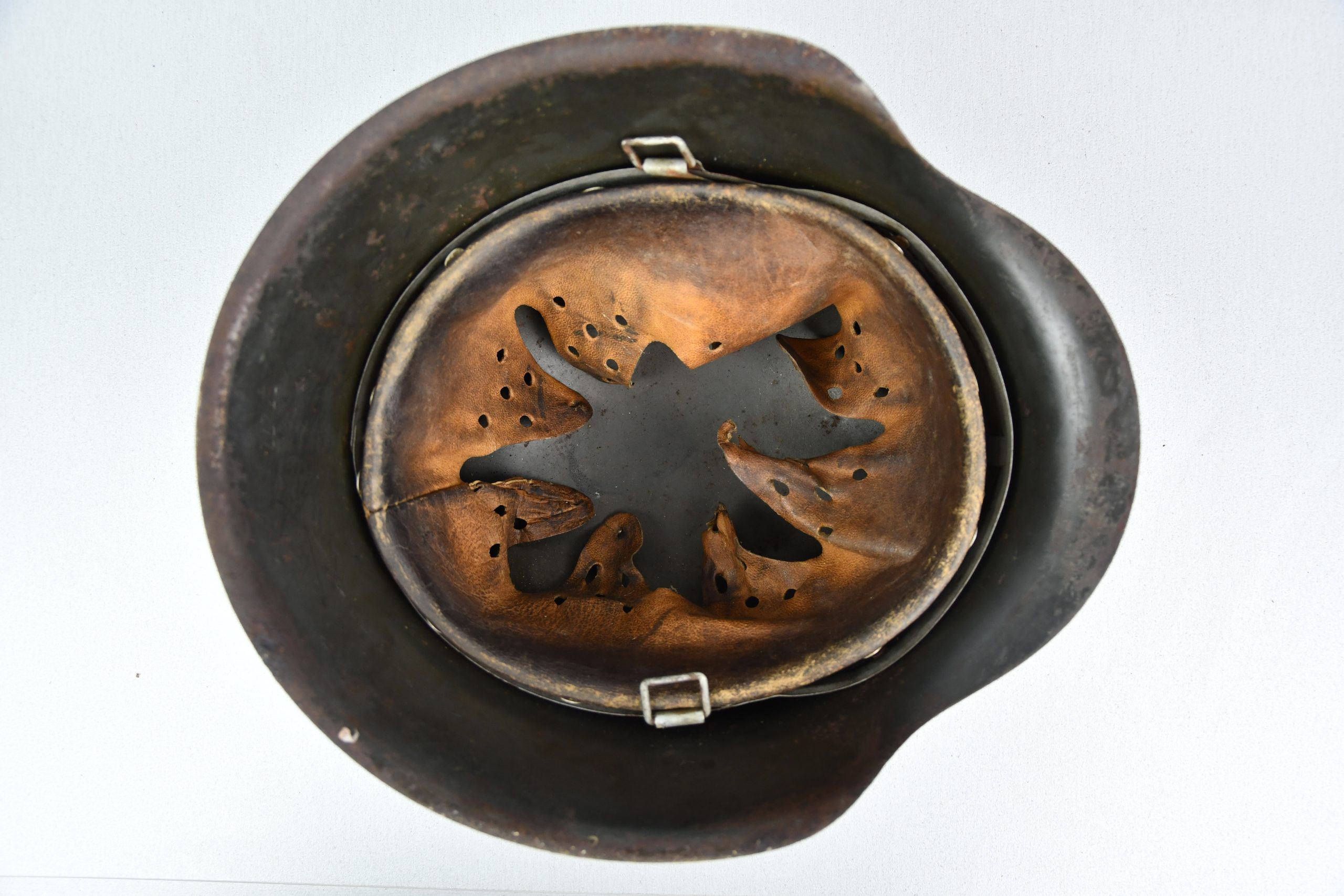
All condition grading was done manually using visible traits like paint, decal condition, liner, and overall completeness. The goal isn’t perfection — it’s consistency across the dataset. Heer single decal helmets are one of the most common and actively traded areas of the hobby. Because of that, they’re a great place to build a data-driven pricing model that reflects how the market actually behaves — not just what people feel something is worth.


These assessments are analytical opinions based on market data and visible condition only. They are not a guarantee of originality or authenticity.
513 items
58 available
455 sold
Keep Milivault alive
Tools

Condition Tier Carousel

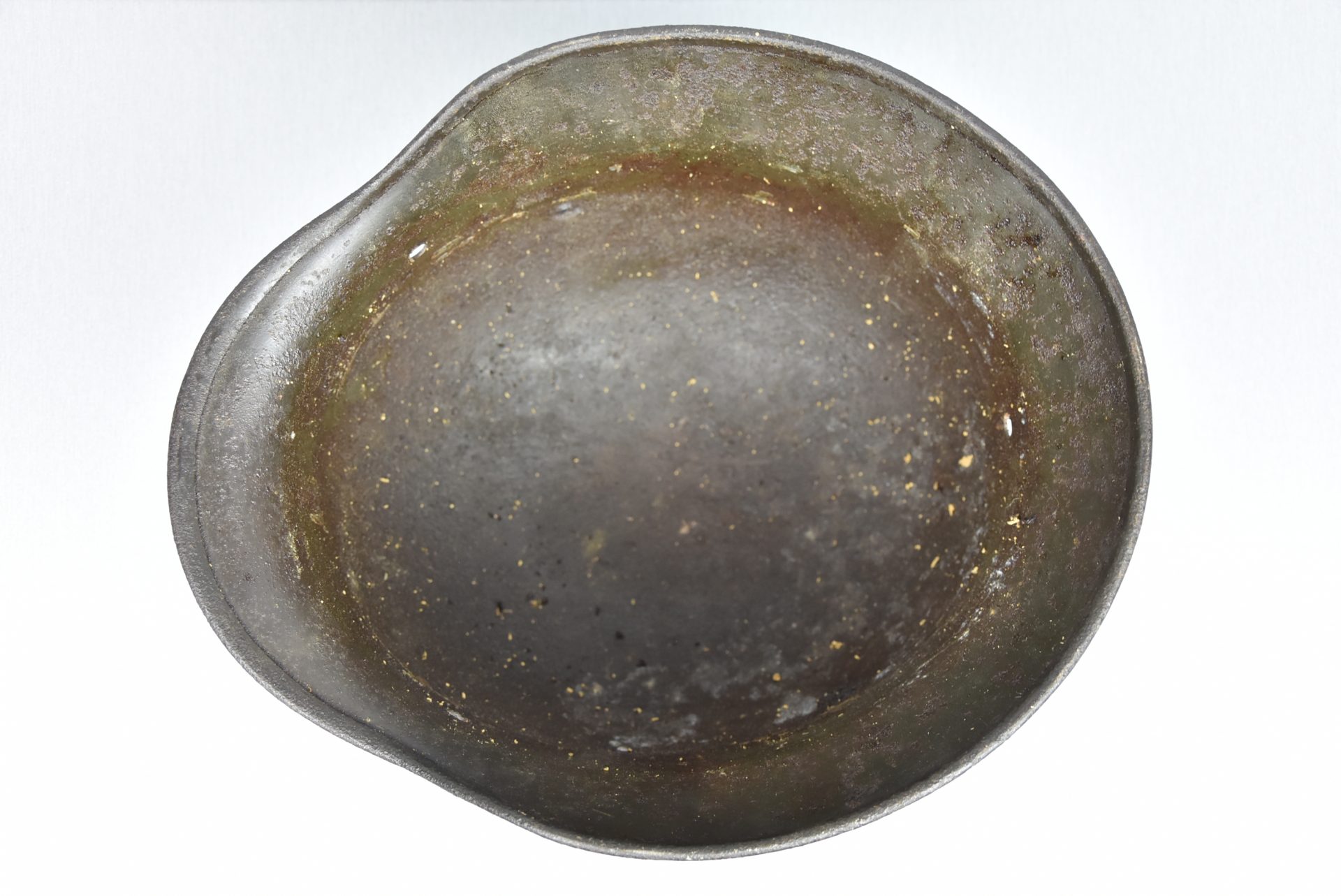
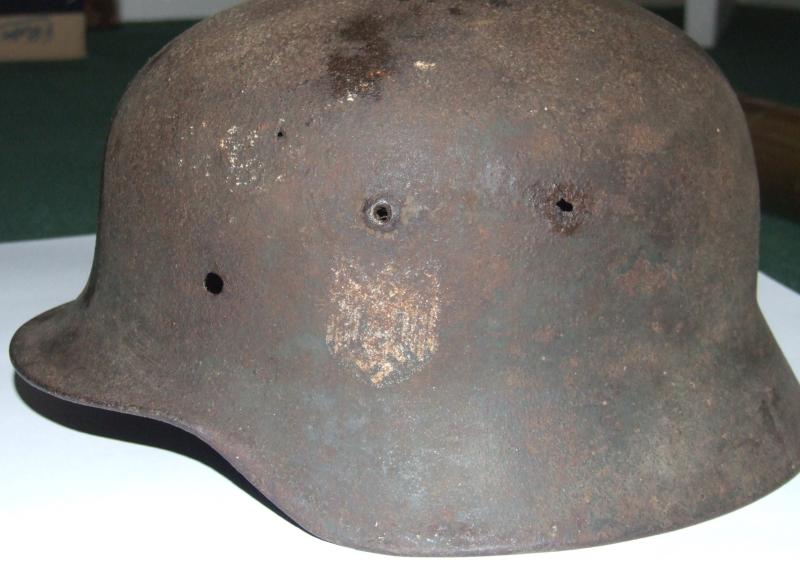
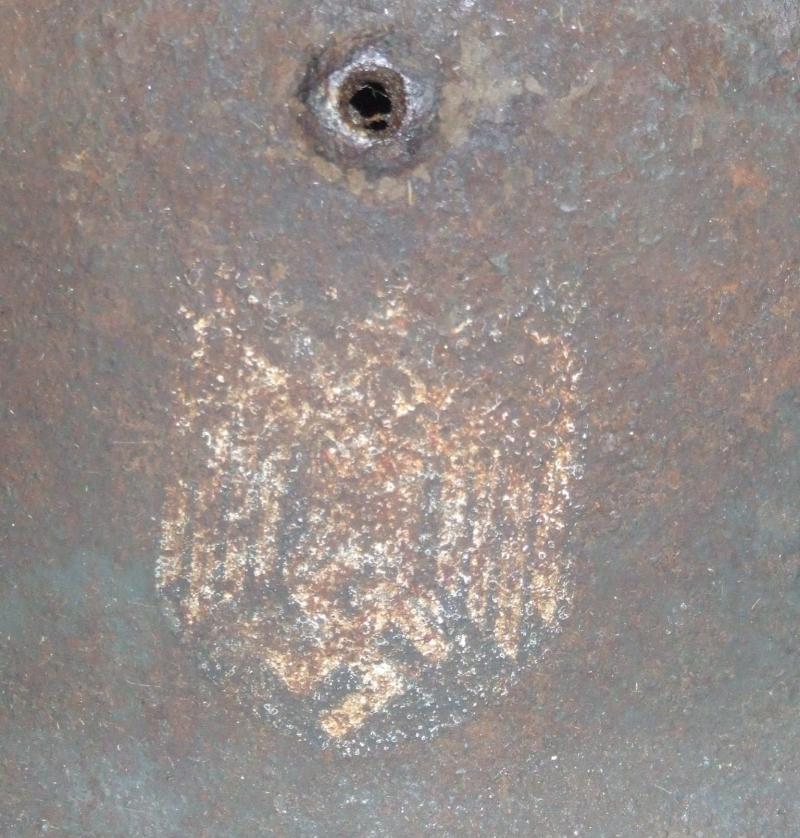
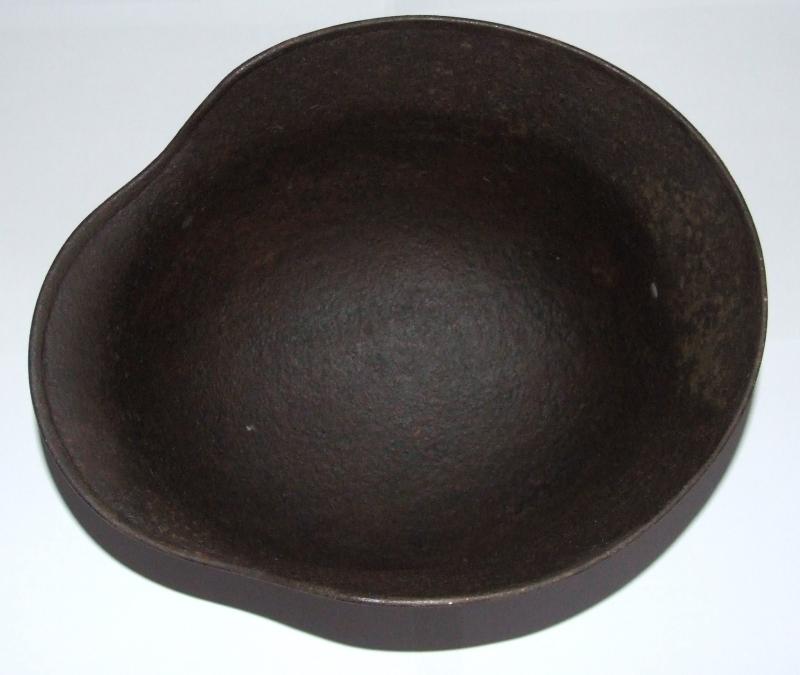
Use the carousel to compare representative examples, value ranges, and visual characteristics across the condition spectrum.

Charts

Market Charts

These visuals summarize pricing behavior, market movement, and condition-based spread using the data captured in this case study.

Condition vs Price Curve

Better condition = higher price, but not perfectly. The dots are real listings, the dashed line is typical dealer pricing, and the green line is what we think these would sell for in a private deal.

Market Trend

This shows where the market is actually sitting over time. Each point is a cleaned, typical price for that period, while the dashed line shows the overall direction. Short-term swings happen, but the trend line shows where things are really heading.

Conclusion

Final Takeaways

Across this dataset, Heer single decal helmets show a clear and consistent pricing structure tied to condition. In practical terms, most helmets fall into a relatively tight band: average examples tend to sit around the $1,000 range, stronger examples push higher, and lower-end or relic pieces drop off quickly toward a few hundred dollars. What stands out is not just the price spread, but how consistently condition drives that spread across hundreds of listings. The model’s fair value estimates track closely with dealer pricing trends, but generally sit below asking prices. That gap reflects the reality of the market: dealer prices include margin, reputation, and buyer confidence, while fair value is closer to what the item is worth based purely on condition and comparable examples. For collectors, this gives you a baseline. If you’re buying, it helps you identify when something is priced in line with the market versus when you’re paying a premium. If you’re selling, it gives you a realistic expectation of where your helmet fits within the broader range. Heer single decal helmets are one of the most stable and liquid segments of the WWII helmet market. That stability is exactly why they work well as a foundation for this kind of data-driven analysis. The goal here is not to replace experience or instinct, but to give both new and experienced collectors a consistent reference point grounded in actual market behavior.

Condition Tier Pricing
Excellent $1,061
Good $870
Fair $443
Poor $442