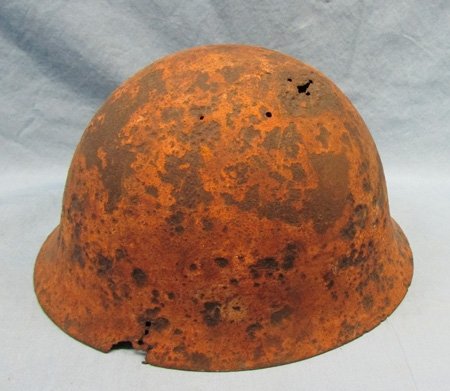
Background: Japanese Type 90 Combat Helmets (No Camo, No Extras)
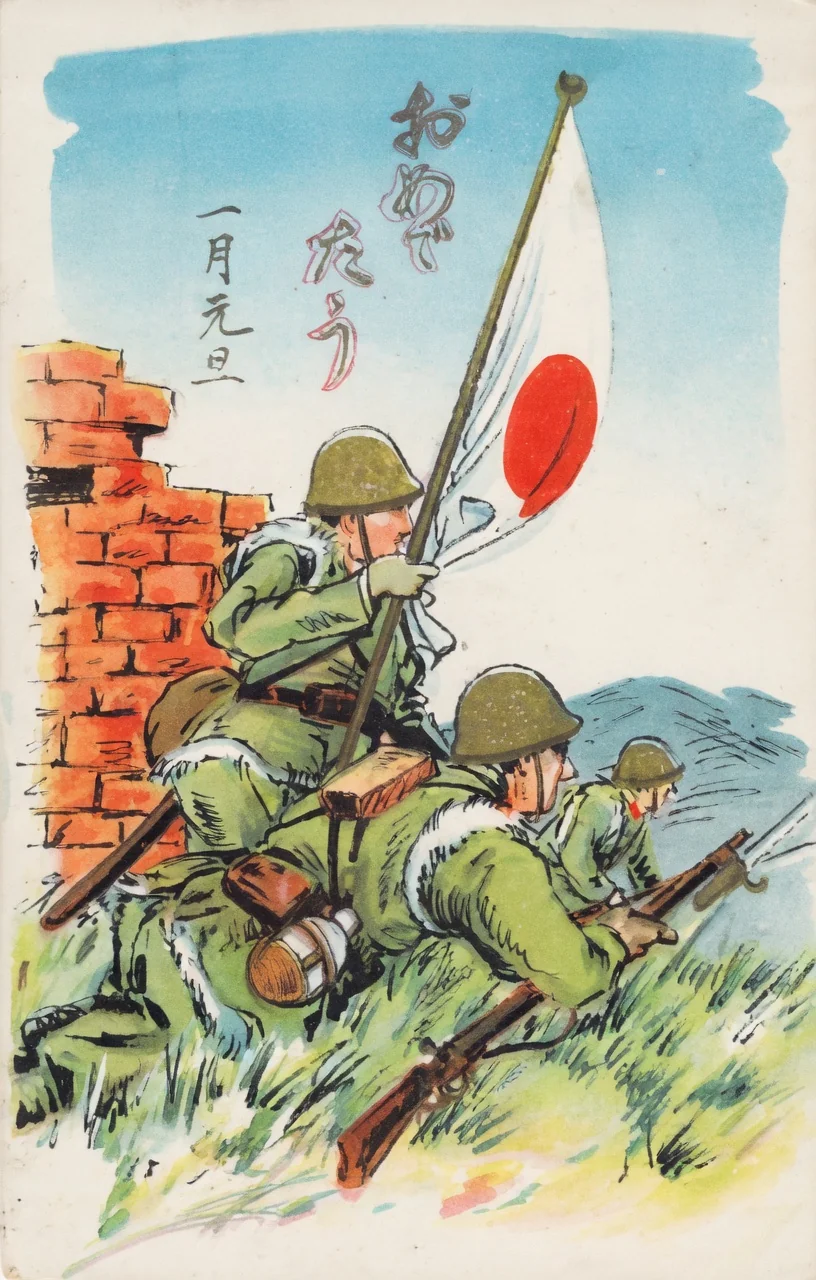
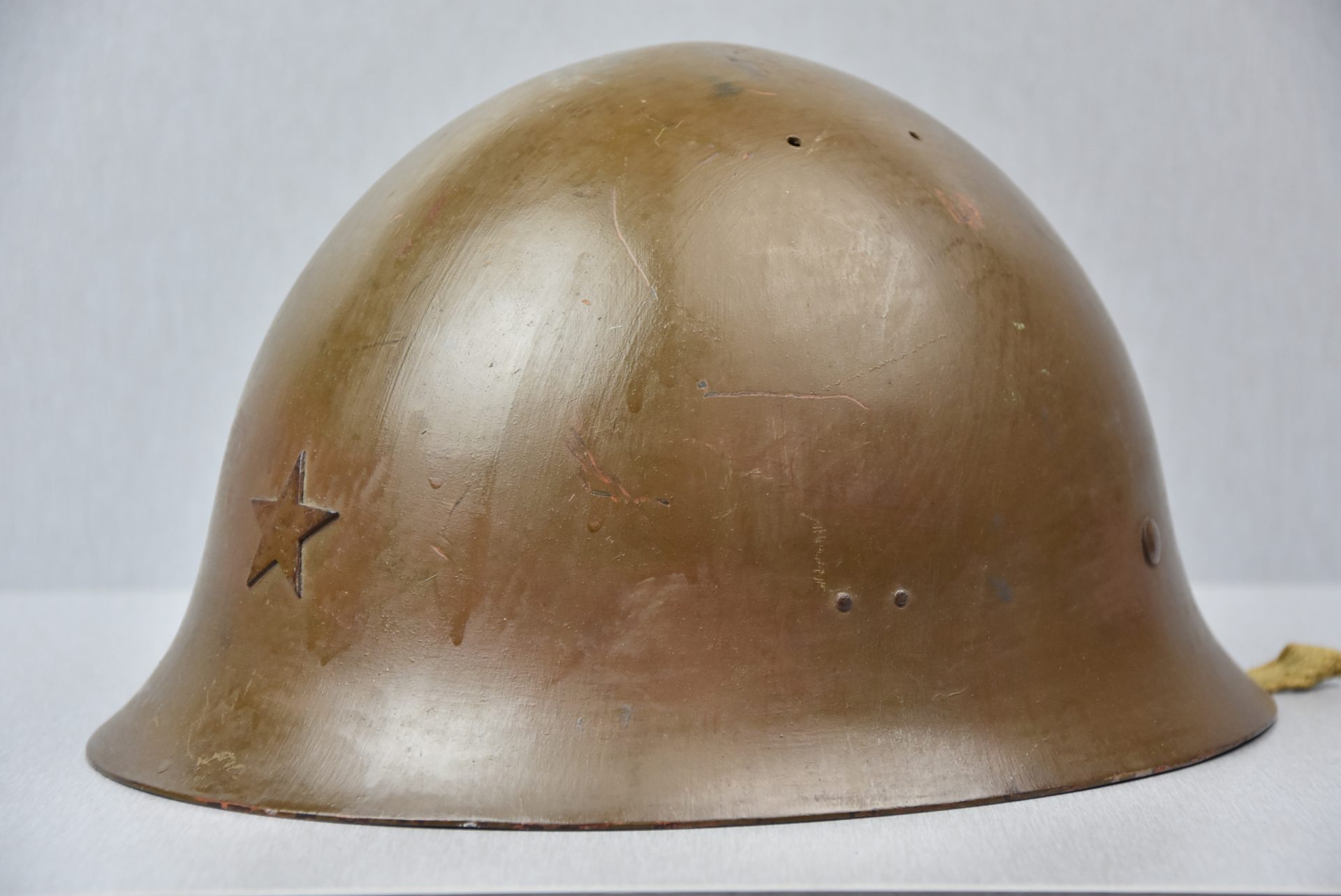
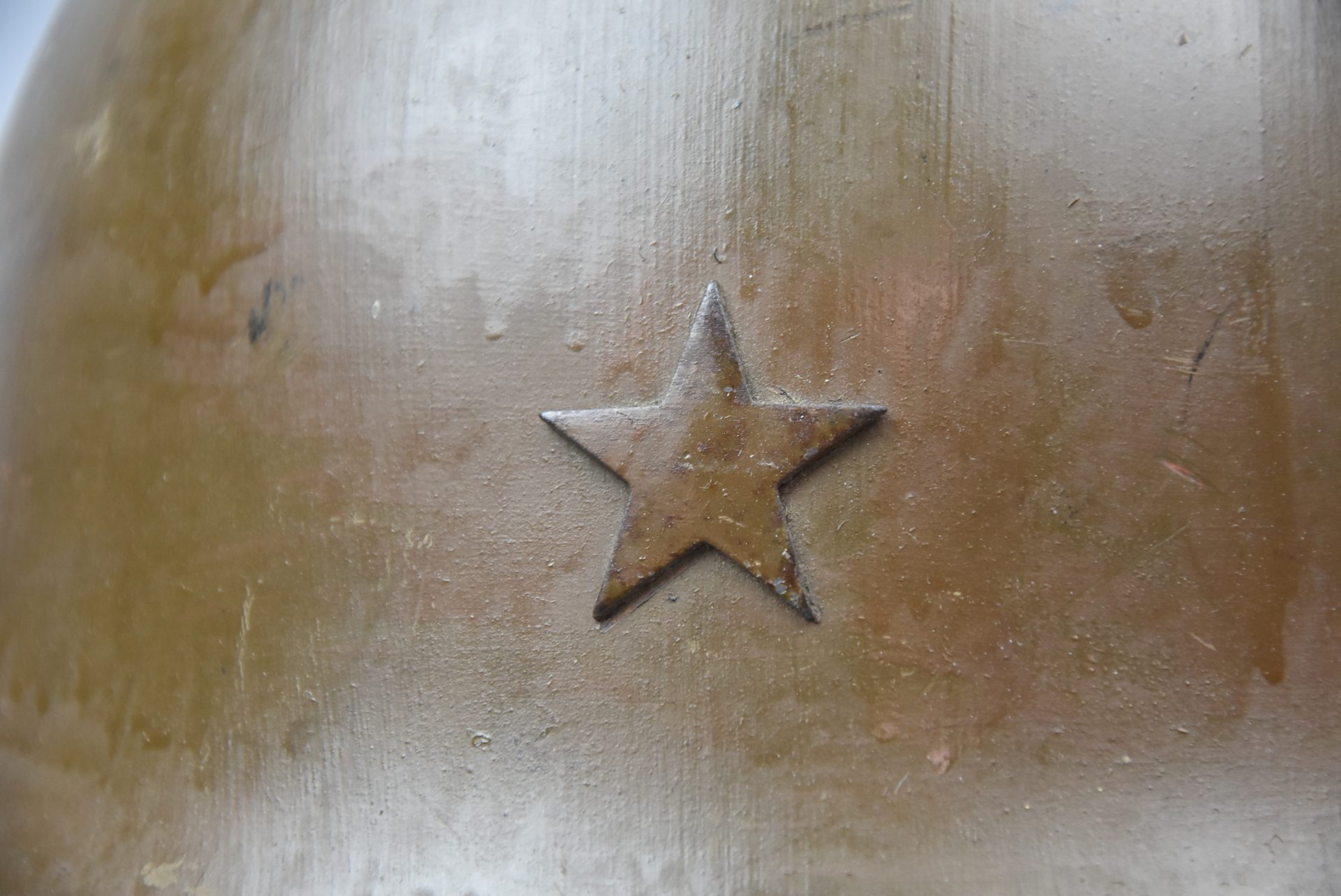
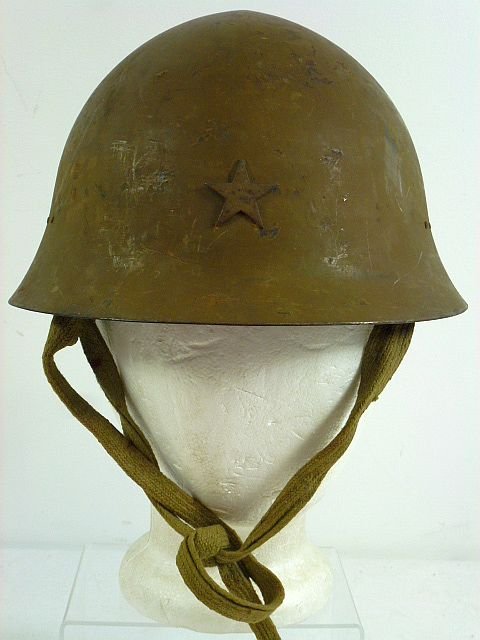
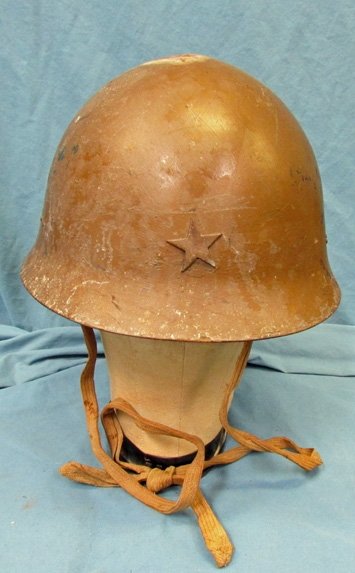
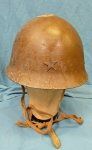
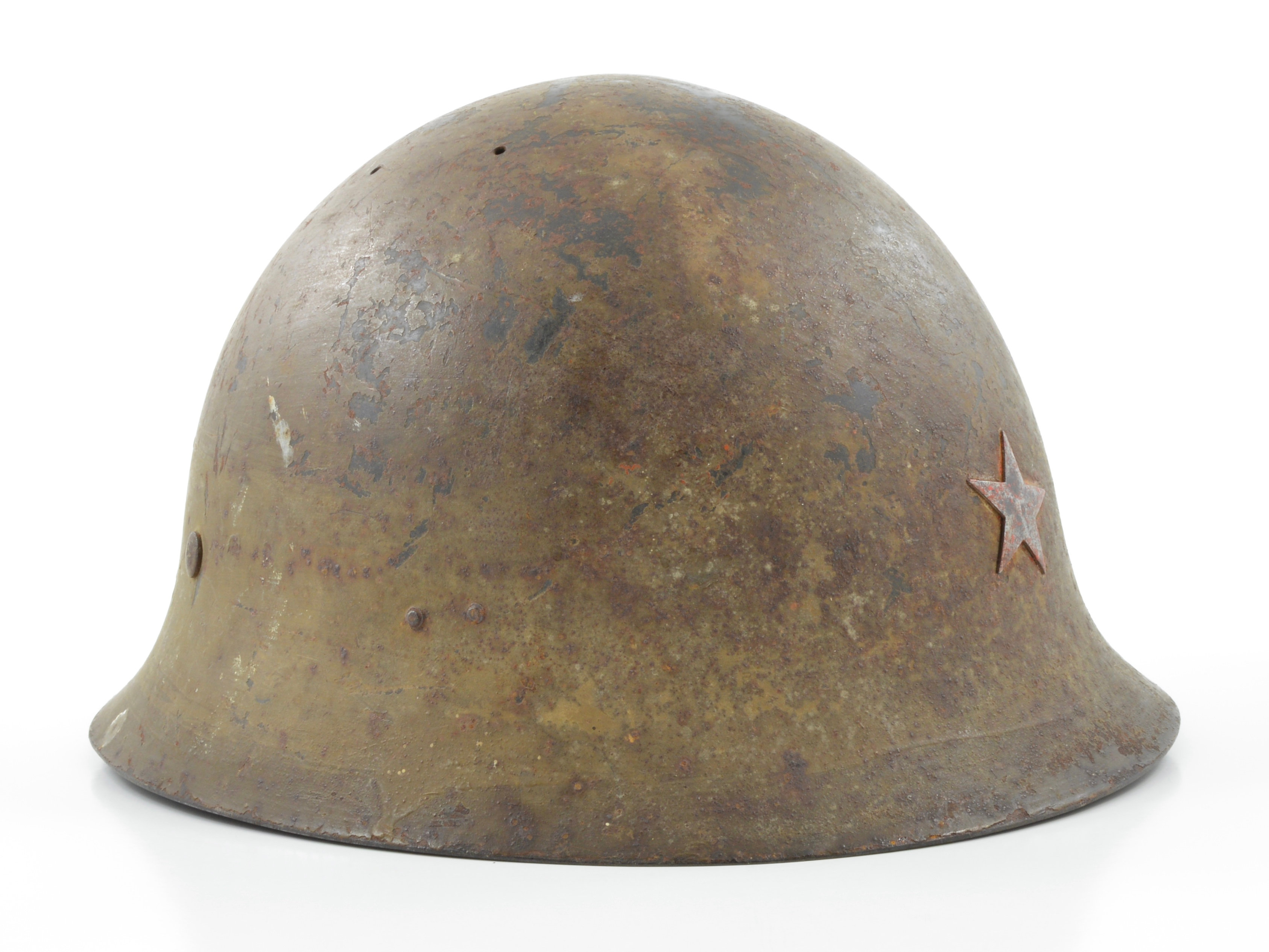
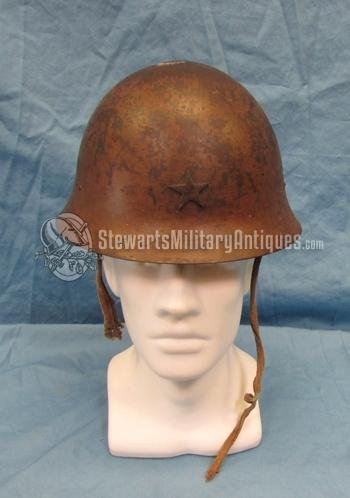
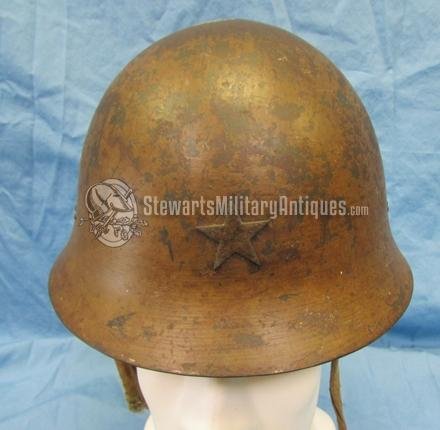
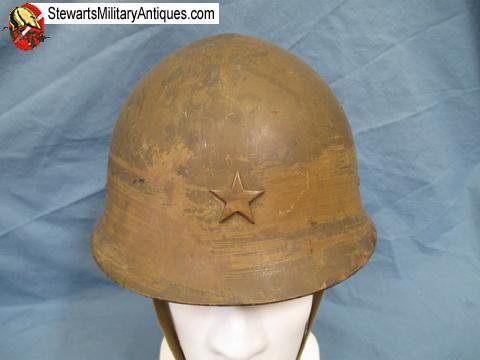
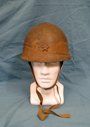
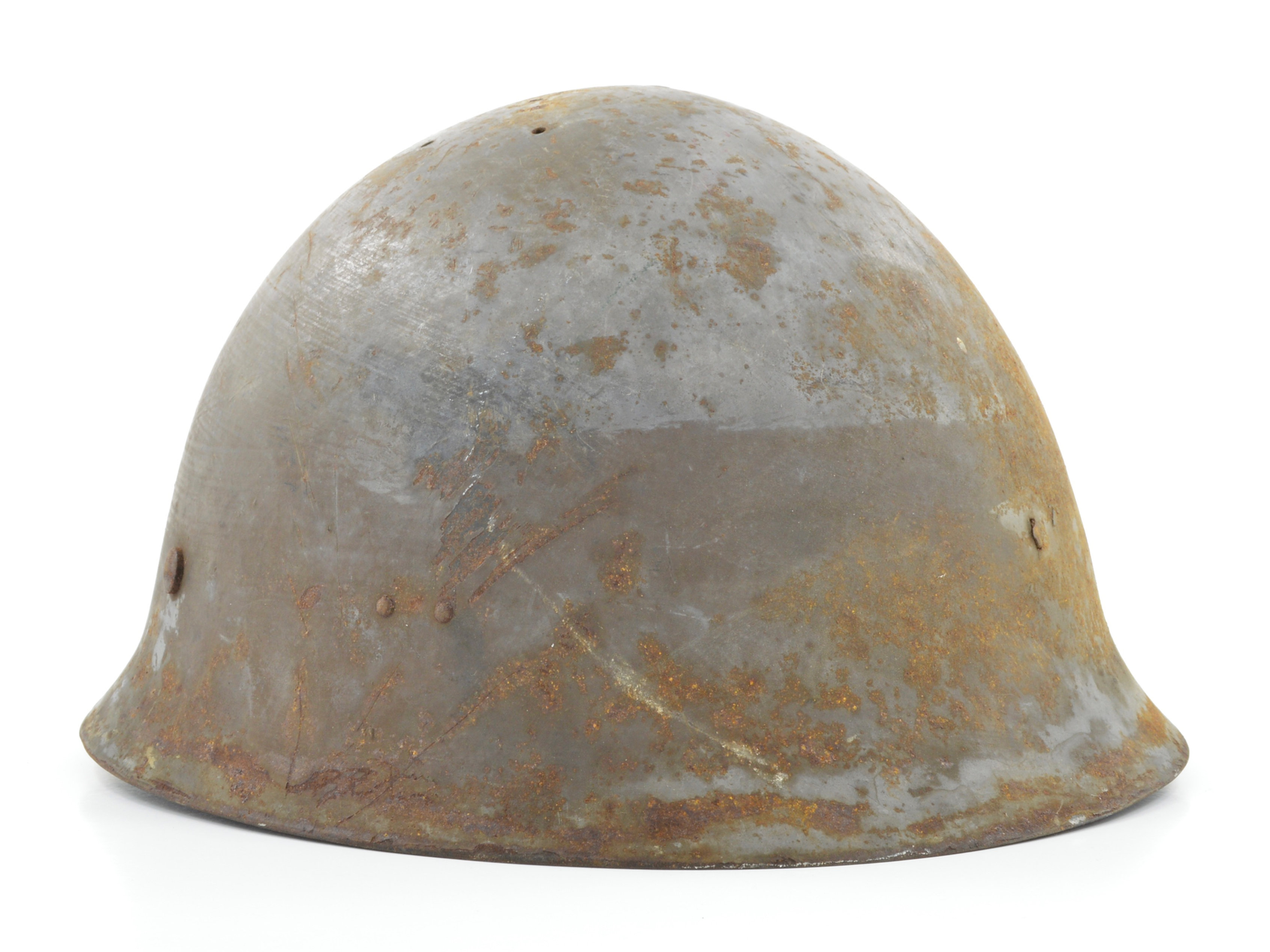
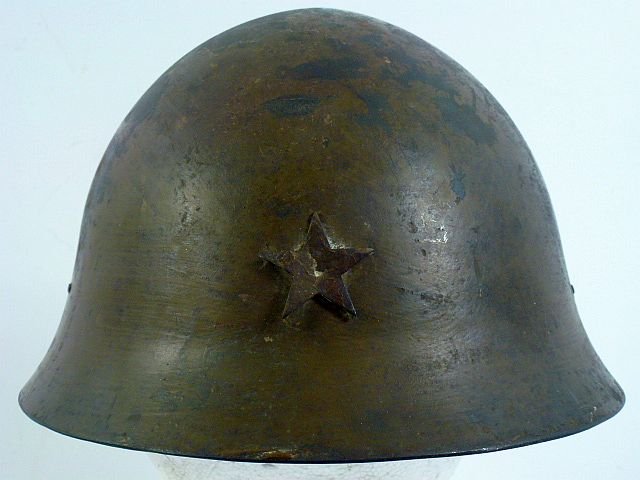
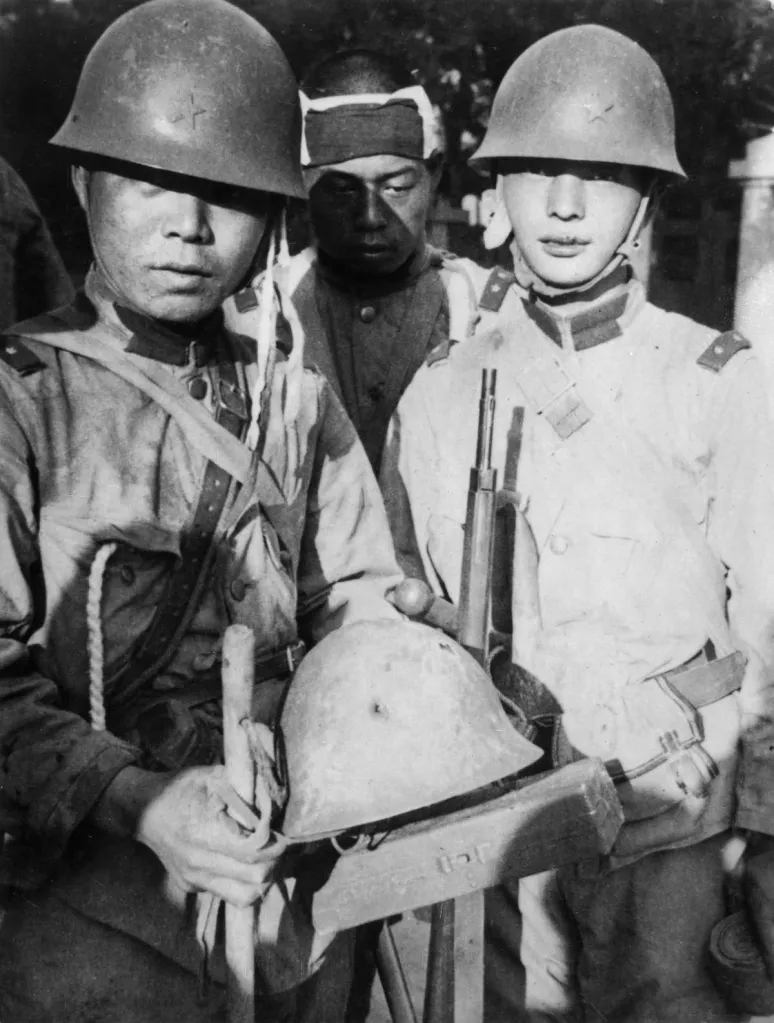
This case study focuses on straightforward, army-issue Japanese Type 90 helmets – plain brown paint, no camouflage, no covers or nets, and the standard Imperial Japanese Army star on the front.
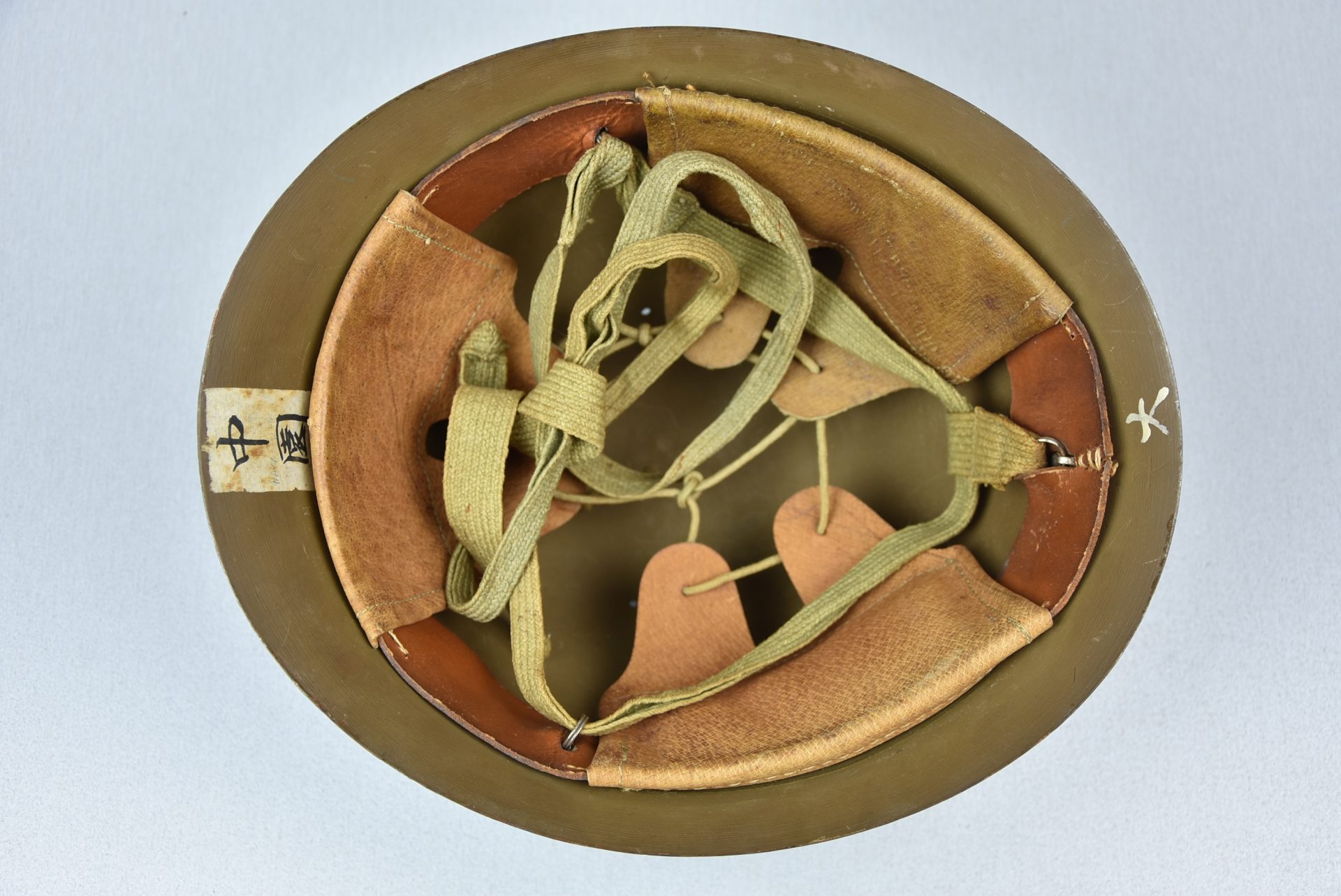
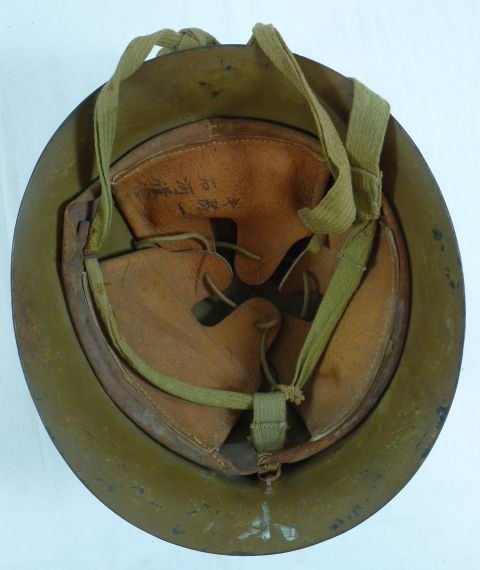
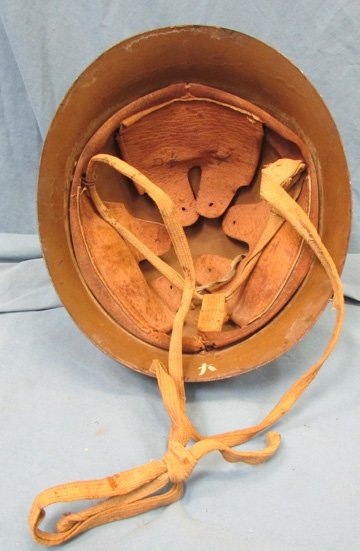
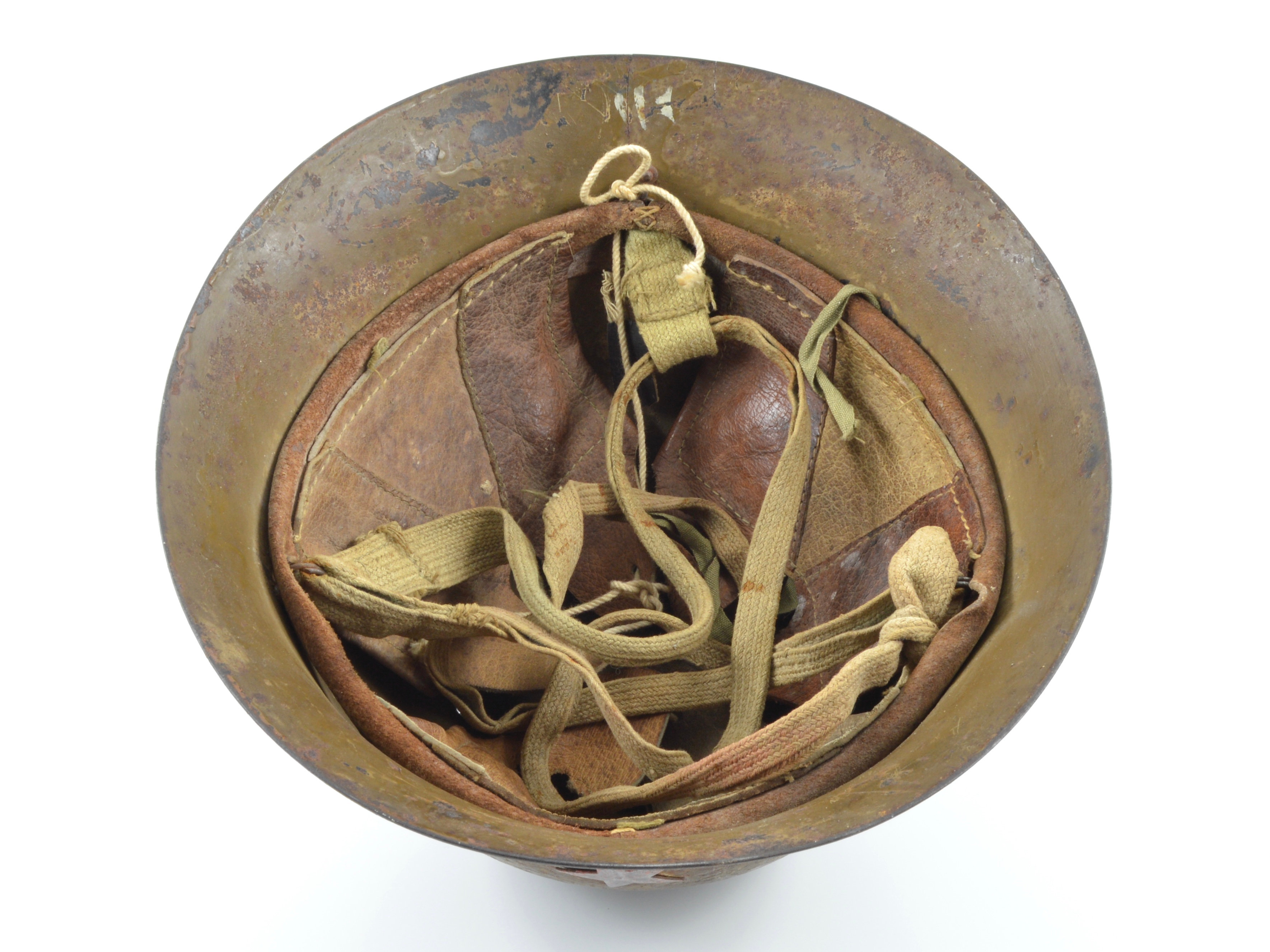
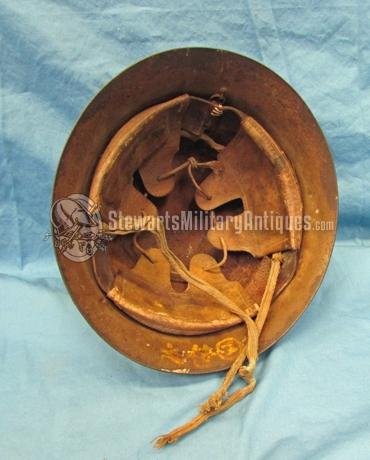
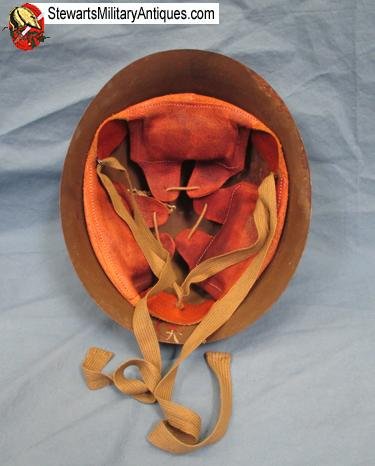
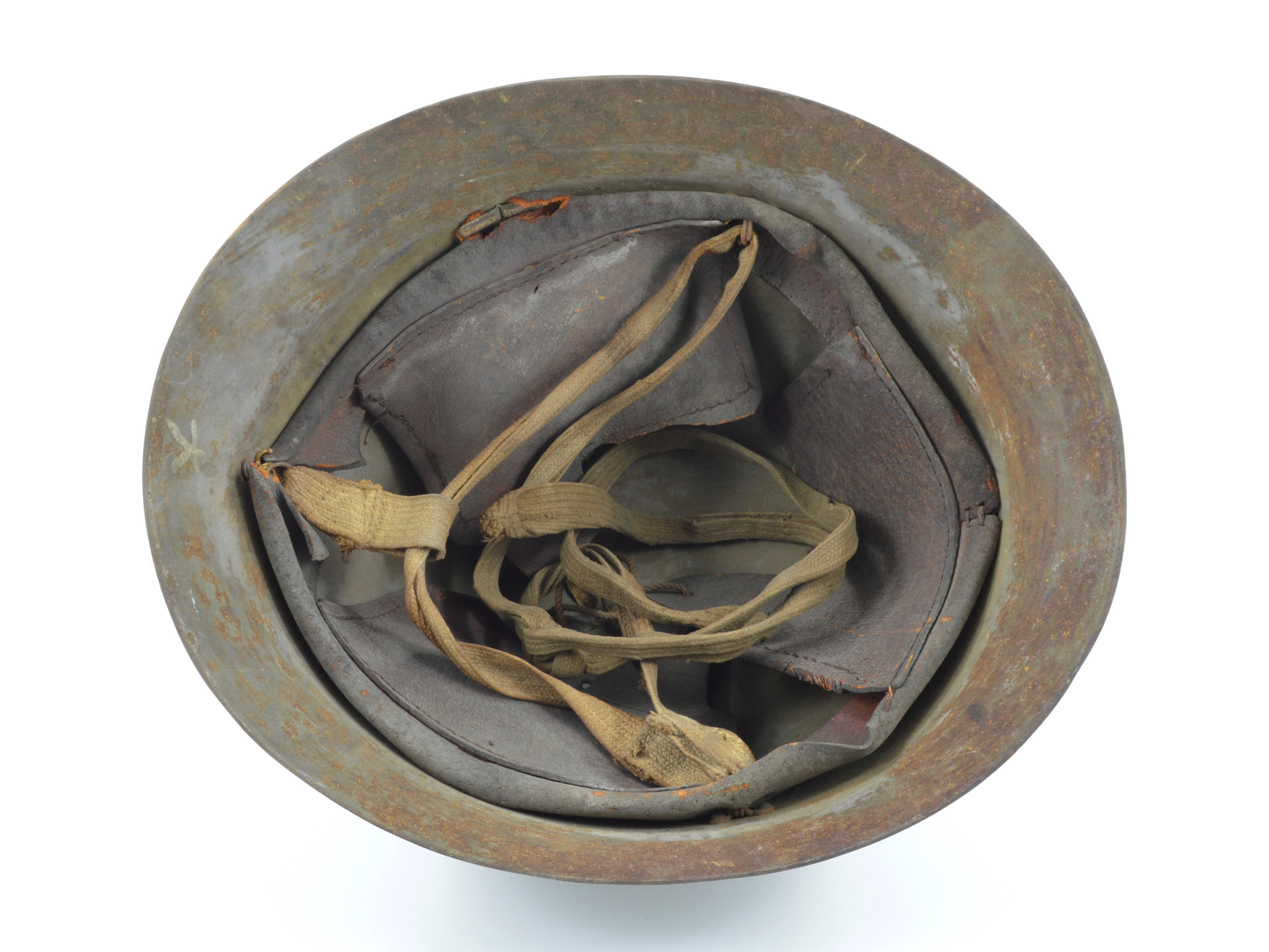
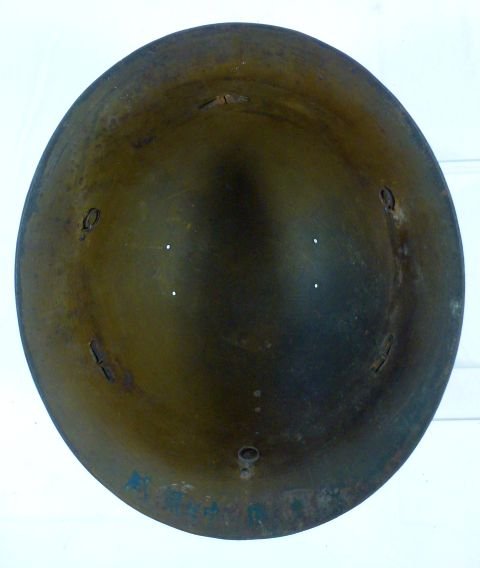
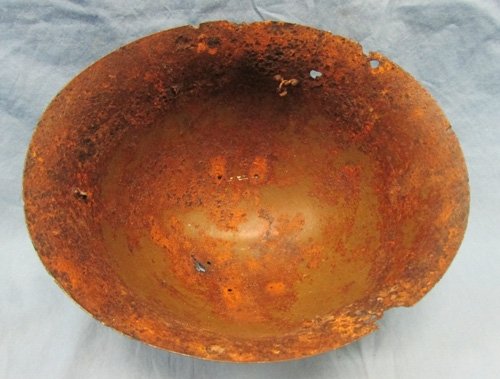
The Type 90 was officially adopted in 1930 (imperial year Kōki 2590), replacing the earlier 1922 “star-vent / cherry blossom” helmets. It became the standard steel helmet for Japanese Army troops through the Second World War. Structurally, it’s a single-piece steel shell with a three-pad leather liner and web chinstraps fixed to side rings, produced in just two official sizes (large and small).
Although the Type 90 shows up in a lot of variations—different makers, liner materials, later-war shortcuts, and so on—those are all variations on the same core combat helmet. There are also star-less shells made for war correspondents or export, special heavy Type 98 helmets for close-combat work, and grey or anchor-badged examples used by the Navy, but those are side branches, not separate “families” of helmet.
For this study, those nuances are important context for value, but not the main filter.
From Background to Case Study: What This Analysis Actually Does
In this case study, I deliberately narrow the scope to a “baseline” Type 90 combat helmet.
That means:
-Imperial Japanese Army use (not Navy)
-Standard brown combat paint
-Front star present
-No camouflage paint, covers, nets, or wire
-No Type 98 heavy helmets, export-only shells, or obvious post-war reworks
Within that slice, I break the market down into condition tiers and compare two things for each tier:
-What dealers are asking
-What our model assesses as a fair value
Type 90s are deceptively tricky: they’re common enough that prices should be predictable, but condition, originality, and small configuration differences can change value a lot. I don’t claim to be the final word on Japanese helmets—that’s exactly why I built this as a data-driven proof of concept: use consistent grading and a pricing model to understand the market, instead of relying only on gut feel or dealer anecdotes.
The numbers and ranges you’ll see here are analytical opinions based on market data and visible condition only. They’re meant as a pricing guide and a sanity check—not a guarantee of originality, authenticity, or that every individual helmet is problem-free.

 Japan
Japan
 Helmets & Accessories