🚧 This website is currently in beta. Things might change or break.
All Case Studies

How much are WW2 US Airborne Jumpjacket's worth?

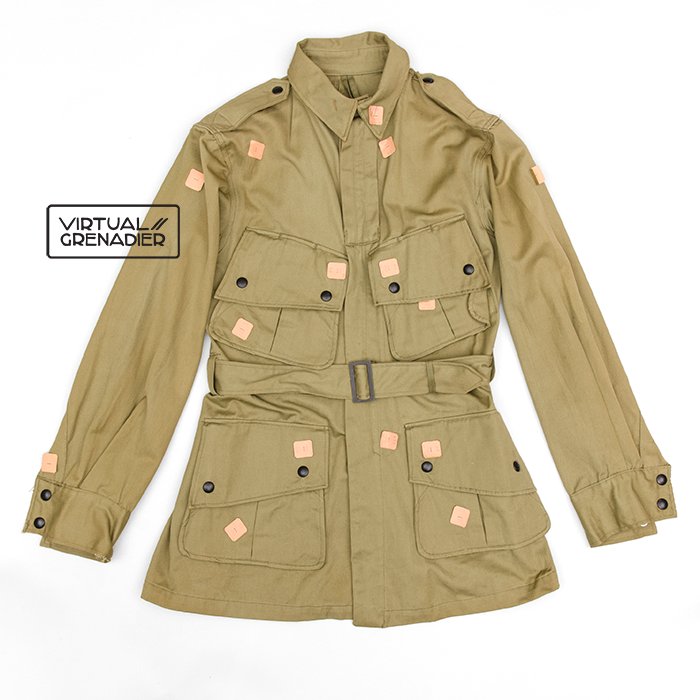
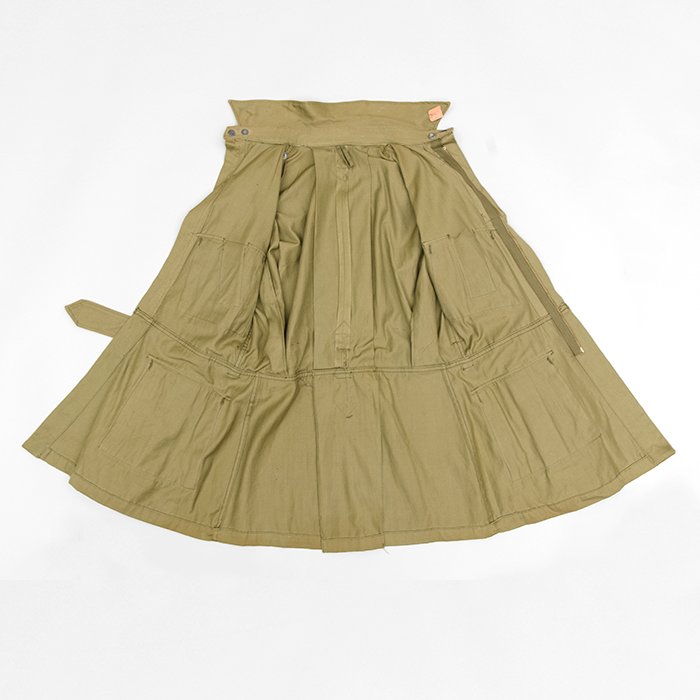
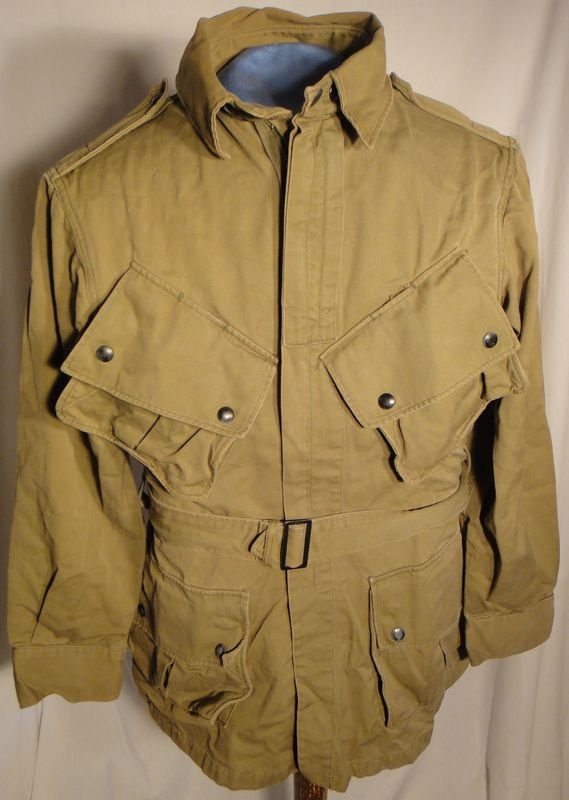
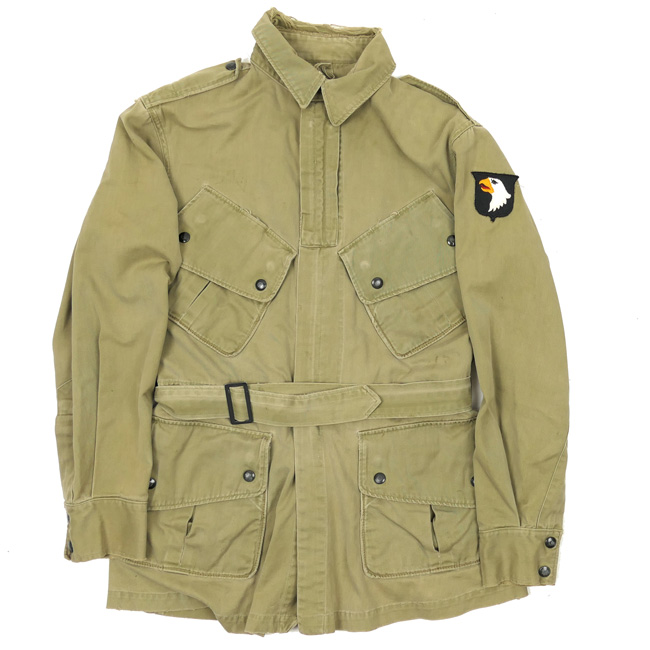
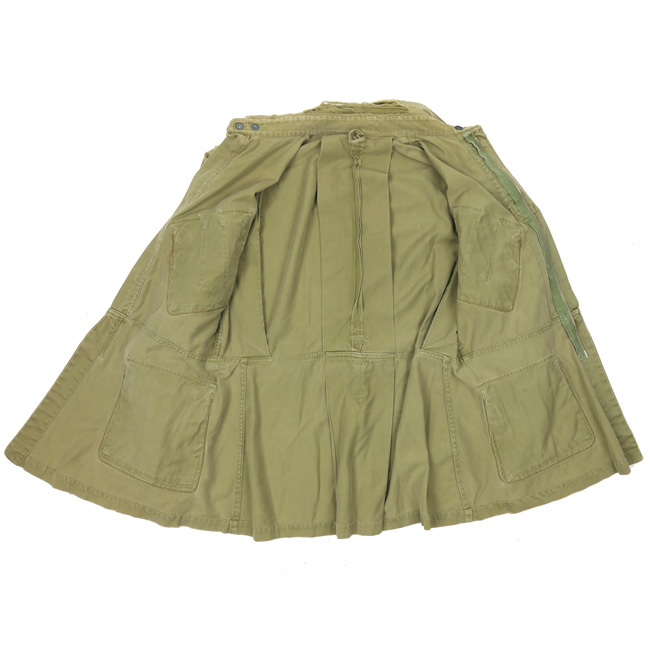
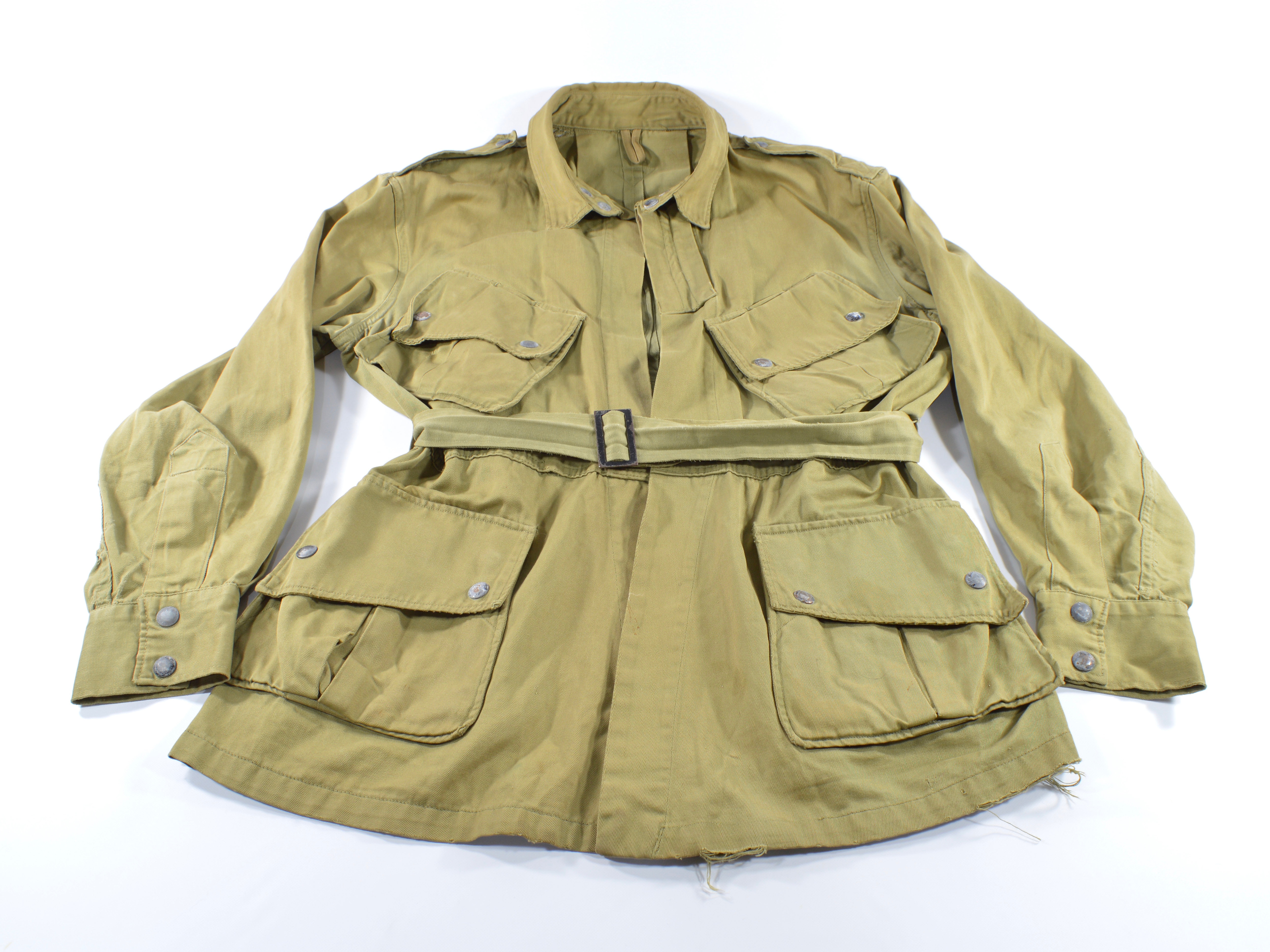
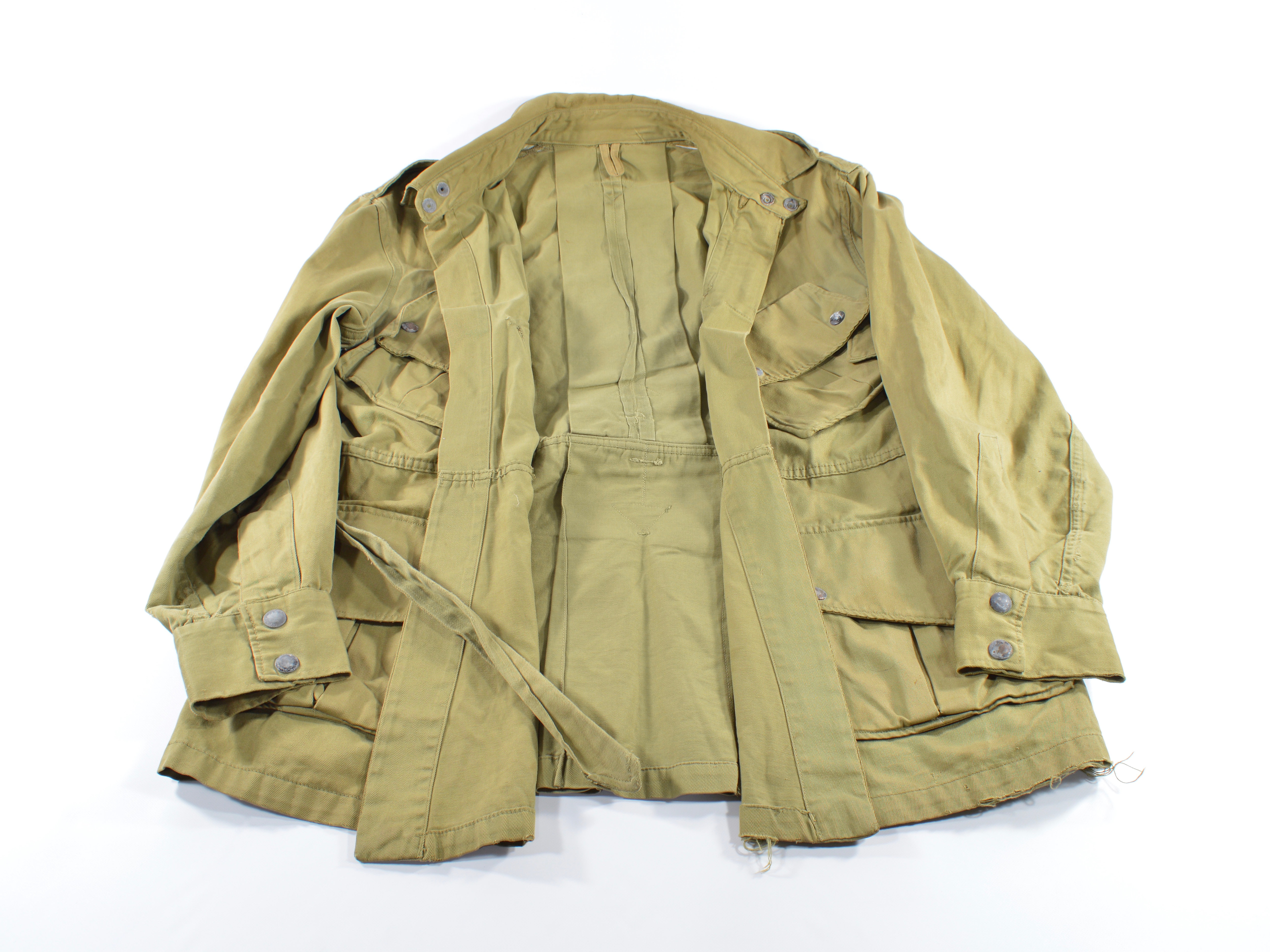
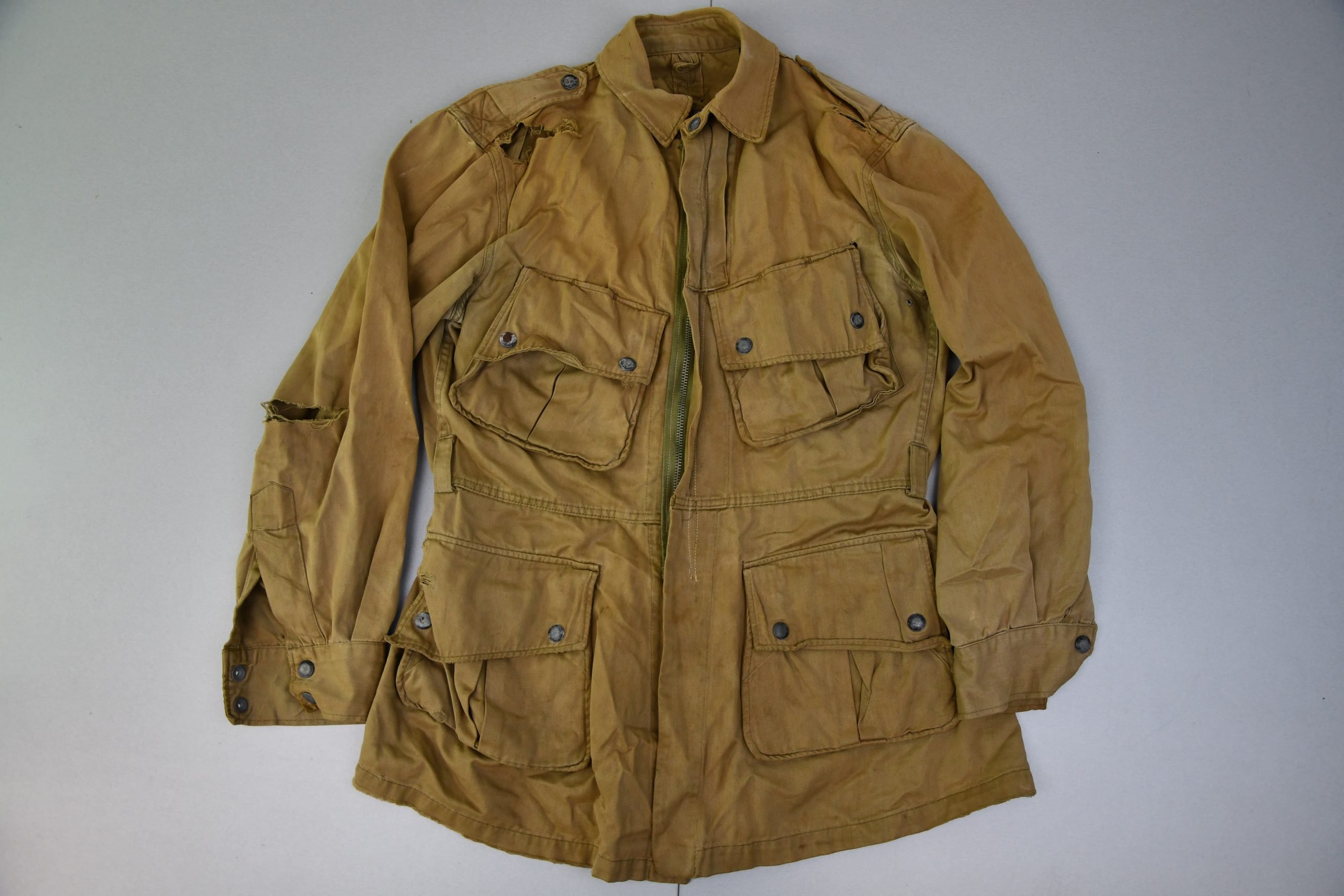
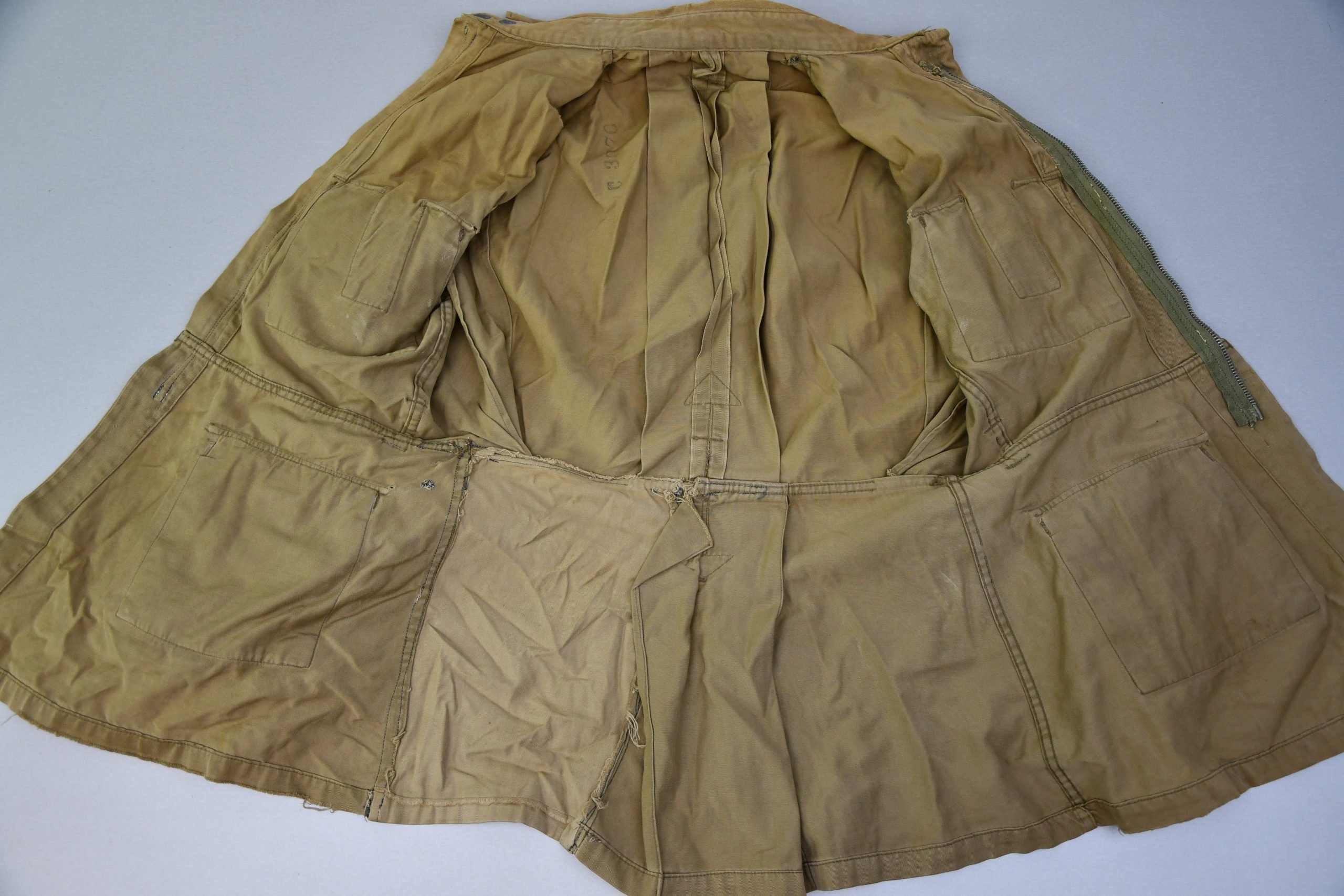
Standard M42 Airborne Jump jacket without Reinforcement. Excluding M41.

by Keenan Nilson

Overview

Market Overview

Background: M42 US Paratrooper Jump Jacket (Standard Configuration)

This case study focuses on standard WWII U.S. airborne M42 jump jackets — no reinforced variants and no M41s. The goal is to isolate the typical example most collectors actually see. A few things need to be clear up front:

-Reinforced M42 jackets are excluded. They carry a different level of desirability and price and would skew the data.

-M41 jackets are also excluded. Even though they show up in airborne groupings, they’re a different piece entirely and don’t belong in the same comparison.

-The baseline for this study is a standard M42 jump jacket with no insignia. Any patches, ranks, or added markings are treated as value-add features rather than the norm.

-The belt is considered part of the baseline. If the jacket is missing its belt, that is treated as a negative and reflected accordingly.

The idea here is to compare apples to apples as much as possible. There’s a huge range in how these jackets show up — patched, named, modified, reinforced — but most of that adds noise when you’re trying to understand the core market. Interestingly, a large portion of the jackets in this dataset actually showed up without any insignia at all. That helped reinforce the decision to treat a “clean” jacket as the baseline rather than the exception.

From Background to Market Analysis

This analysis looks strictly at standard M42 jump jackets within that baseline — no reinforcement, no M41 crossover, and no added features baked into the starting point. From there, the market is broken down by condition and compared across:

Dealer asking prices — what these jackets are currently listed for

Private party value — what they’re more realistically worth based on comparable sales

All condition grading was done manually using visible traits like fabric wear, fading, integrity, completeness, and overall presentation. The goal isn’t perfection — it’s consistency across the dataset. One thing that stood out right away was how strong the overall condition was. A surprising number of jackets fell into the excellent range, which isn’t what you might expect for a piece that saw heavy field use. There were also a few standout examples, including a mint jacket that still retained all of its original tags — something you almost never see and a good reminder of how wide the condition spectrum can be. I didn’t come into this with much hands-on experience with these jackets, so working through the data was a useful way to get a clearer picture of how they actually show up in the market. Most people know these from Band of Brothers, but seeing the real distribution of condition and features adds a lot more context.

These assessments are analytical opinions based on market data and visible condition only. They are not a guarantee of originality or authenticity.
35 items
8 available
27 sold
Keep Milivault alive
Tools

Condition Tier Carousel

Use the carousel to compare representative examples, value ranges, and visual characteristics across the condition spectrum.

Charts

Market Charts

These visuals summarize pricing behavior, market movement, and condition-based spread using the data captured in this case study.

Do dealers price based on condition?

Condition has a clear and consistent impact on price here.

Better-condition jackets tend to sell for more, and that relationship holds pretty steady across the dataset. The higher-end tiers cluster tightly, while prices start to drop off more quickly once you move into the lower condition ranges.

The spread between dealer pricing and private value is also consistent. Dealers are generally asking more across every tier, but the gap becomes more noticeable as condition drops.

In practical terms, condition is doing most of the work — more than timing or anything else.

How has the value changed?

Prices have stayed pretty stable overall, with only a slight upward move over time. There’s some normal variation between quarters, but nothing that suggests a major shift in the market.

From Q2 2025 to Q1 2026, prices moved up by about 0.7% (~$15), which is basically flat in real terms. The small peak in Q3 looks more like a short-term bump than a sustained increase.

Overall, this is a steady market — not one that’s rapidly rising or falling.

Conclusion

Final Takeaways

Conclusion

Looking at everything together, these M42 jump jackets are actually pretty straightforward once you strip things down.

Condition is doing most of the heavy lifting. The cleaner and more complete the jacket is, the higher it goes — and once things start missing (especially the belt) or the wear gets heavier, the price drops off pretty quickly. That pattern is very consistent across the board.

The insignia side of things is where it gets a bit more interesting. Since the baseline here is a clean jacket, anything added on top of that should really be treated as a bonus, not the starting point. Some of it adds real value, some of it doesn’t — it just depends on what it is and how legit it looks.

One thing that stood out to me was how many of these were actually clean. I expected to see more patched examples, but a lot of them weren’t. On top of that, a surprising number were in really solid shape. That mint one with the tags still on it was especially wild.

The private values line up pretty well with how the market behaves, and dealer prices are doing what you’d expect — sitting above that with a consistent premium.

Over time, the market itself has been pretty flat. There’s a slight upward trend, but it’s minimal — less than a 1% move over the past year. In other words, prices aren’t really being driven by timing — they’re being driven by the jacket itself.

At the end of the day, this gives you a solid baseline. If you’re looking at one of these, you can separate what the jacket itself is worth from everything else layered onto it.

Most people think of these because of Band of Brothers, but once you actually look at the data, the market is a lot more stable and predictable than you might expect.

Condition Tier Pricing
Excellent $1,545
Good $680
Fair $646
Poor $614